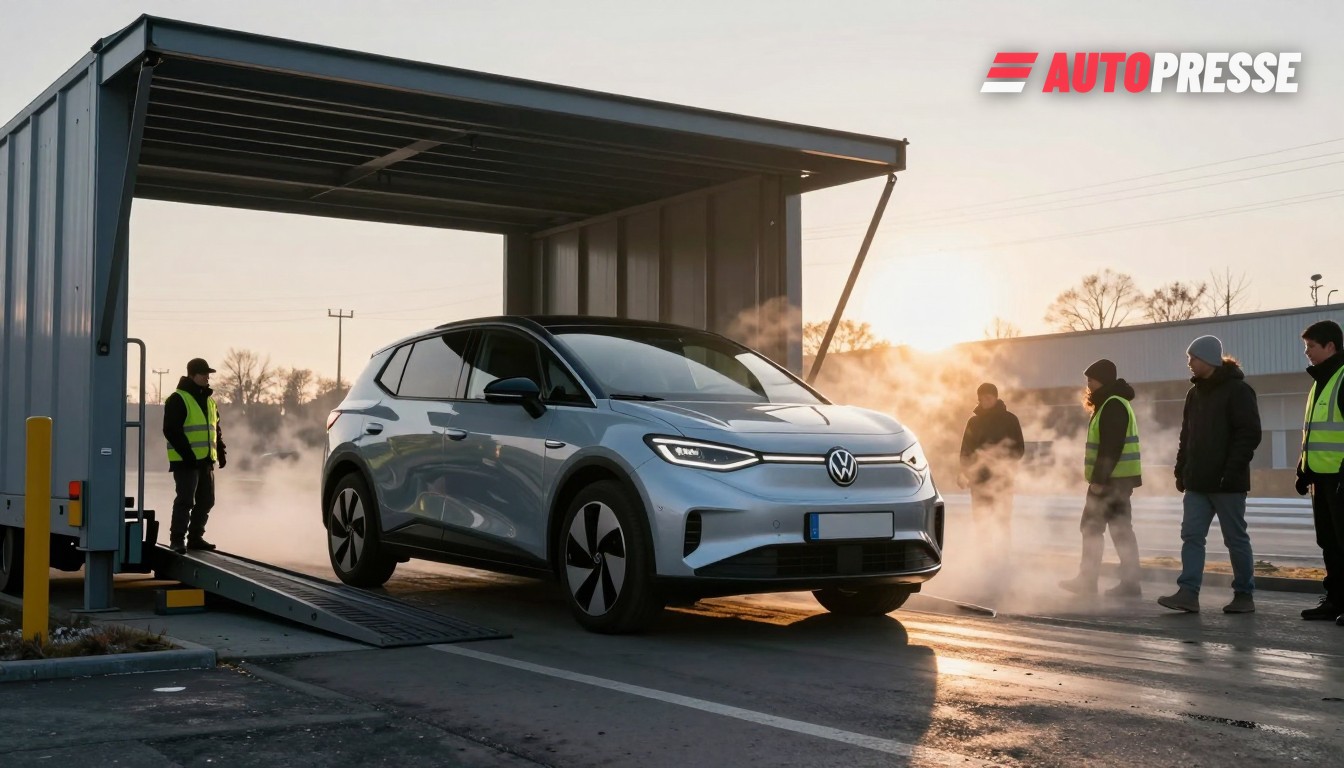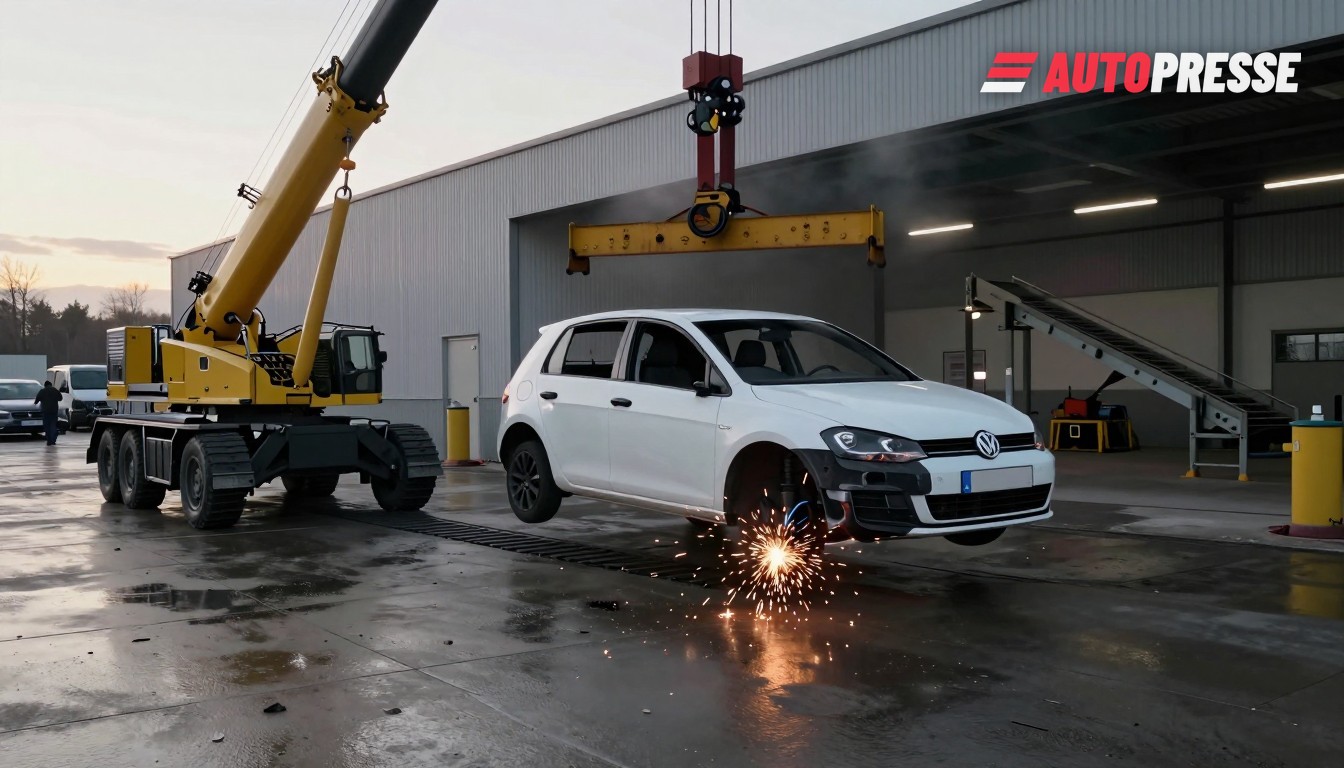
The EU’s new end‑of‑life‑vehicle regulation (Regulation (EU) 2026/1738) — published in the Official Journal in July and in force from 13 August 2026 — redraws the legal map for how cars are designed, documented and dismantled. For drivers, dealers and factory workers in Germany and Austria the rulebook changes from paperwork at handover to the way future cars are built for reuse, remanufacture and recycling.
What the law requires
The regulation replaces the old ELV Directive and introduces mandatory circularity measures: a digital circularity vehicle passport; stronger rules for removal and recovery of parts; and binding recycled‑content targets for plastics and other materials. It also strengthens extended producer responsibility (EPR) and tightens controls on exports of end‑of‑life vehicles. The text foresees the repeal of the old Directive in stages and sets calendar dates for compliance steps: certain EPR obligations apply from 1 September 2029, with transitional rules and staggered implementation through 2029–2032.
The Council and Parliament negotiations added practical provisions: sellers must be able to prove a vehicle is not an end‑of‑life vehicle when ownership changes, and fees in EPR collective schemes must reflect vehicle weight, recyclability and dismantling time. The law targets a step change in circular design and traceability across the single market.
How Germany and Austria are aligning
Germany already operates a detailed national framework on end‑of‑life vehicles and publishes annual reuse/recycling statistics; federal agencies note the sector has sometimes narrowly missed the 95% recovery target in recent years and will need to scale up new sorting and electronics recycling capacity. Implementation therefore focuses on adding digital tracking and producer obligations to an existing system.
Austria likewise runs producer‑responsibility programmes and an Altfahrzeuge (end‑of‑life vehicles) ordinance; the country has been active on circular‑economy planning and coordination, but must adapt national registration, take‑back and enforcement arrangements to the EU regulation’s timetable. OECD analysis and Austrian ministry material underline the need for co‑ordination offices for EPR and clearer cross‑border controls.
What this means for the market
Manufacturers face two predictable pressures: higher compliance and design costs, and new commercial opportunities in remanufacture and recycled‑content supply chains. Industry groups welcomed the circularity goals but warned of “considerable red tape” and transition costs for companies. The regulation’s recycled‑content quotas already noted in industry commentary (for example phased shares for recycled plastics) will force purchasing teams to secure verified recyclate streams and shift supplier contracts.
Recyclers and materials processors are likely to see growth: analysts expect strong demand for automotive recyclate (ICIS cites recycled polypropylene as a major feedstock), and the EU estimates roughly 6–7 million vehicles reach end‑of‑life each year in the bloc — a large, steady resource base for closed‑loop supply. Yet sorting and high‑quality electronics recycling remain bottlenecks; national regulators in Germany and Austria have highlighted capacity and enforcement gaps that must be closed before the 2029 EPR phase.
For dealers and used‑car traders the new obligations (documentation proving a car is not an ELV at each change of ownership) mean tighter paperwork and potential delays at cross‑border sales unless national IT and registration systems are synchronised. The net effect is likely higher transaction friction in the short term and clearer provenance — and resale value signals — in the longer term. (This assessment is based on the regulation text and Council positions.)
B2B vehicle marketplace for dealers on WorldTrader24 →
Sources: EUR‑Lex, European Commission, Council of the EU (Consilium), VDA, Umweltbundesamt, Austrian Federal Ministry (BMK), ICIS, European Parliament/EPRS