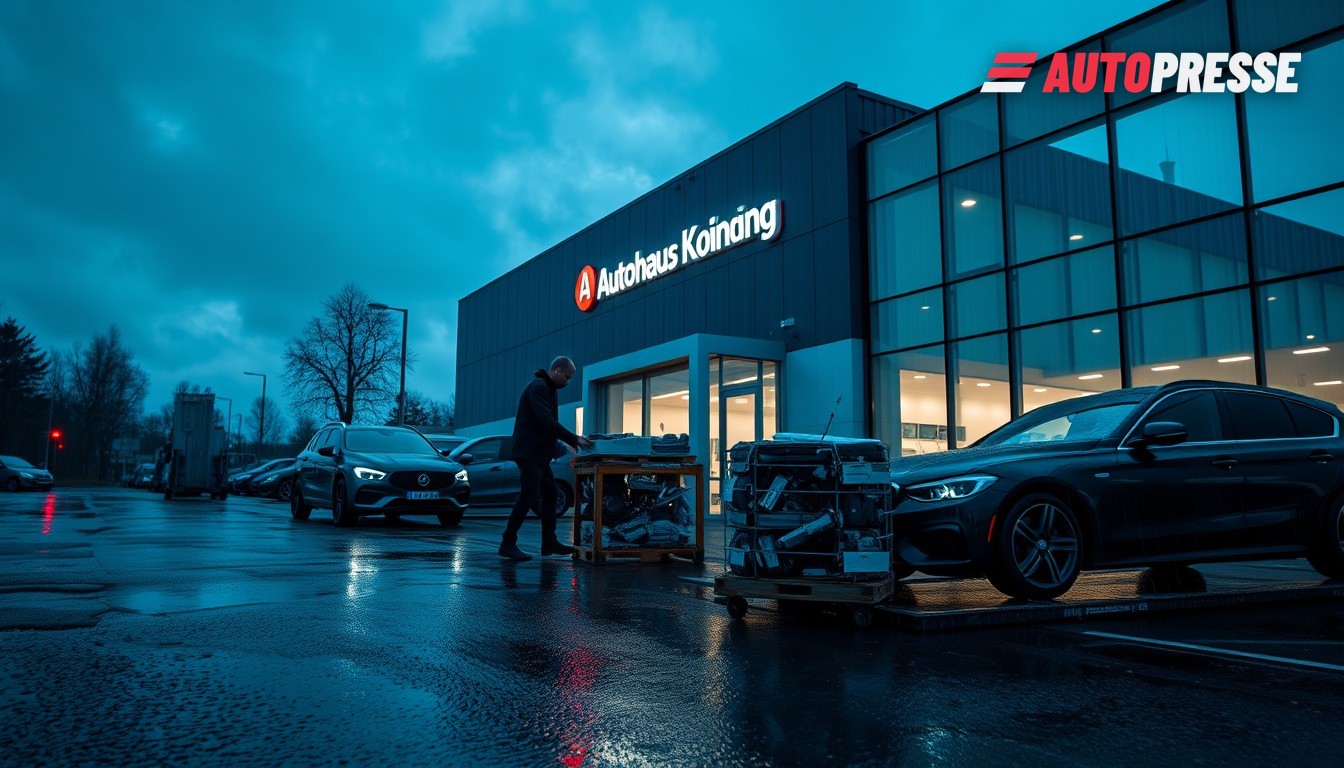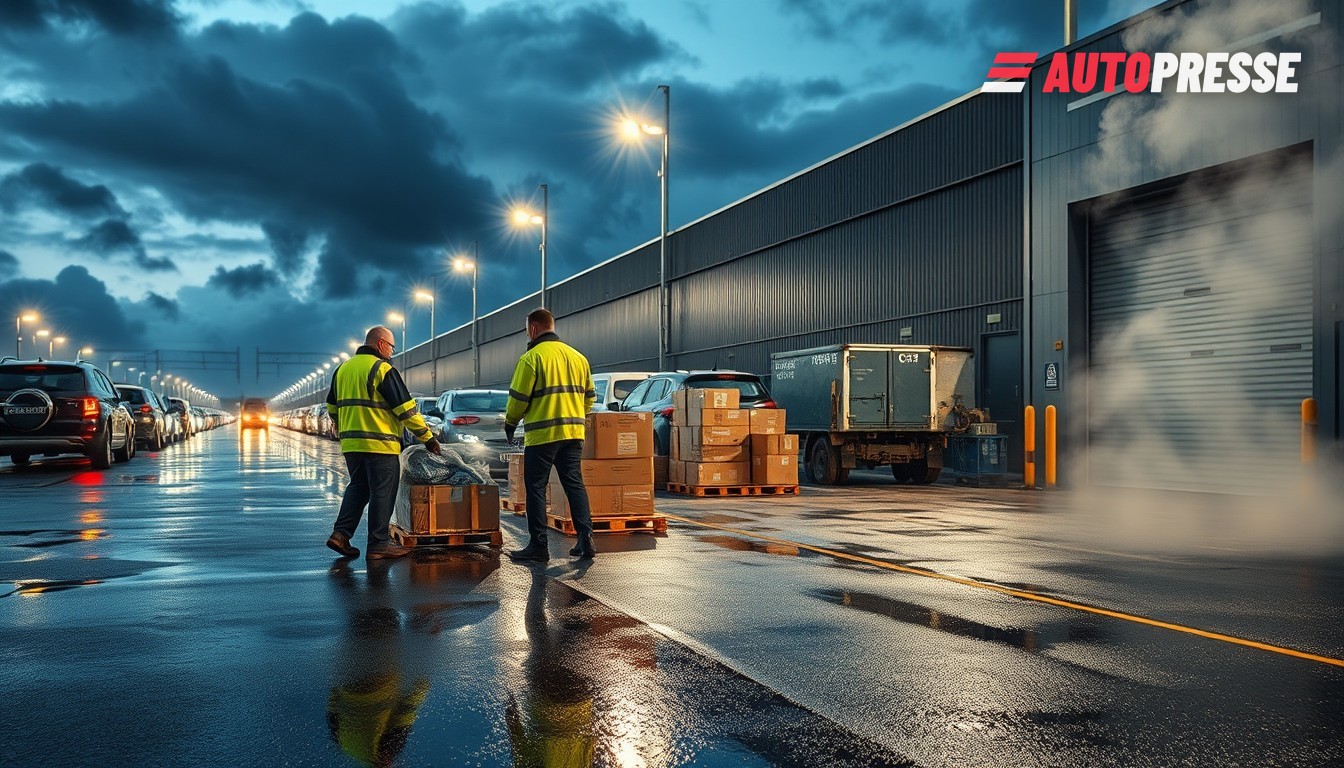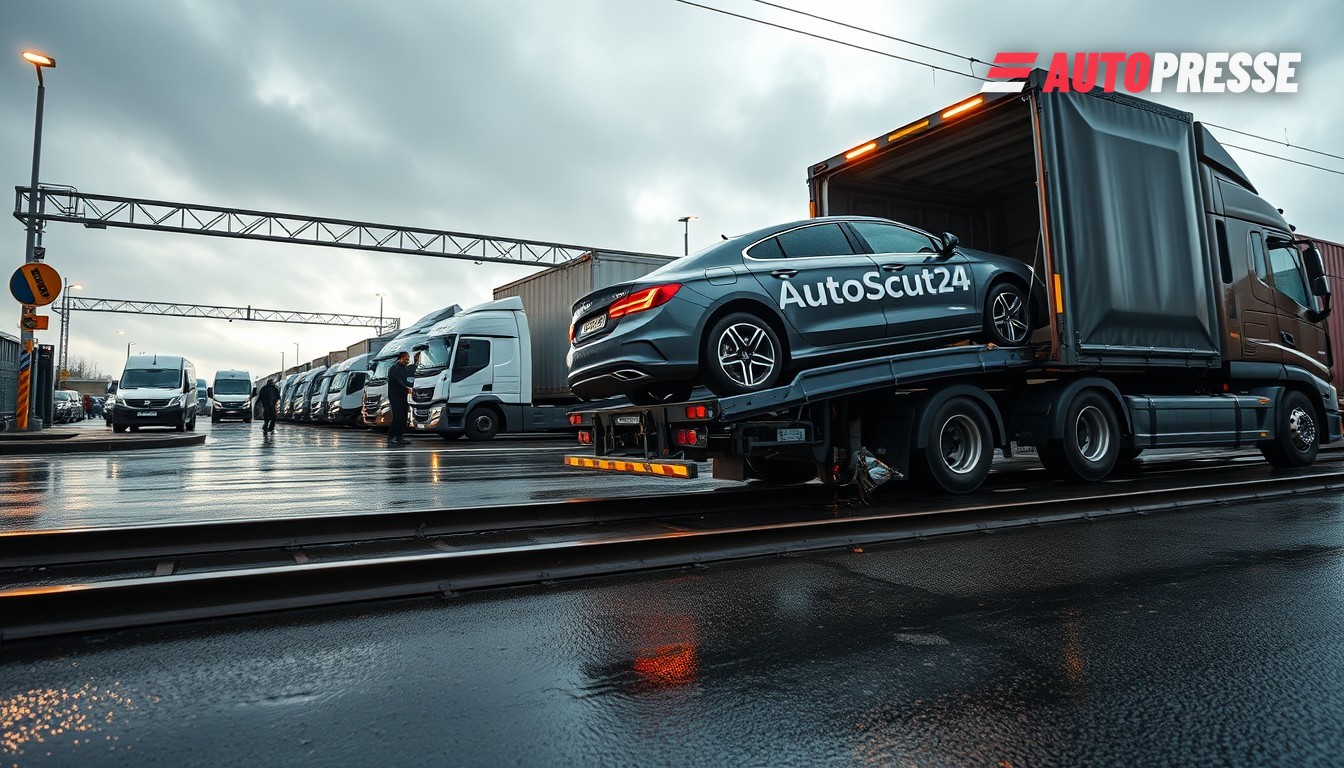
Drivers in Germany — and the workshops that serve them — are confronting longer repair lead times and higher bills as suppliers and manufacturers struggle to keep parts flowing. Public broadcaster rbb reported on 26 October 2026 that motorists increasingly find their car stalled in the workshop because the required spare part is "not deliverable" and waiting times are measured in weeks, while the ADAC is registering a rising number of complaints about the problem.
Prices climb, stocks tighten
The cost picture is worsening alongside availability. A GDV (Gesamtverband der Deutschen Versicherungswirtschaft) analysis shows replacement‑part prices rose by more than 4% between August 2025 and August 2026 and have increased by roughly 80–83% since 2016 for the selected parts the association tracks. The GDV’s data — used by multiple industry outlets — shows some bodywork items (rear side panels, doors, boot lids) nearly doubled in price over the ten‑year period. High parts costs are already pushing up repair bills and weighing on insurers’ claims costs.
Independent workshop media and trade publications report the same dynamic: parts prices are rising faster than general inflation, and workshops are passing some of those costs on to customers while also seeing more vehicles remain incompletely repaired because a necessary component cannot be sourced quickly.
Digital locks and "captive" parts compound the problem
Industry representatives warn the problem is not only logistics and raw material costs but also the digitalisation of vehicles. At recent trade forums the Gesamtverband Autoteile‑Handel (GVA) and aftermarket observers have described a growing share of so‑called "captive parts" — components that effectively can only be delivered through a manufacturer or its authorised network because of digital locks, access to vehicle data, or required software authorisations. When a replacement part must be matched to vehicle electronics and then activated, a workshop may have the physical item but lack the data access or authorisation to complete the repair. This raises both delivery and execution bottlenecks for independent garages.