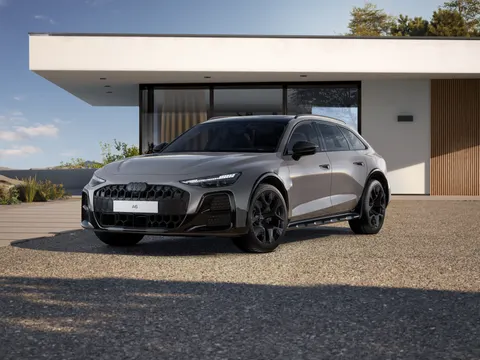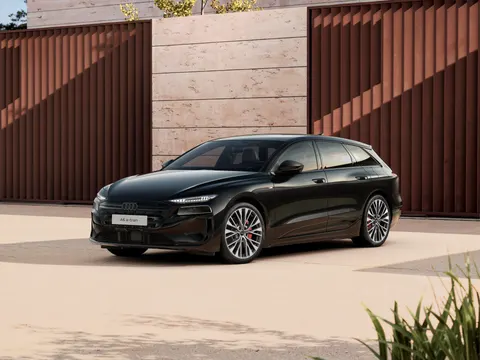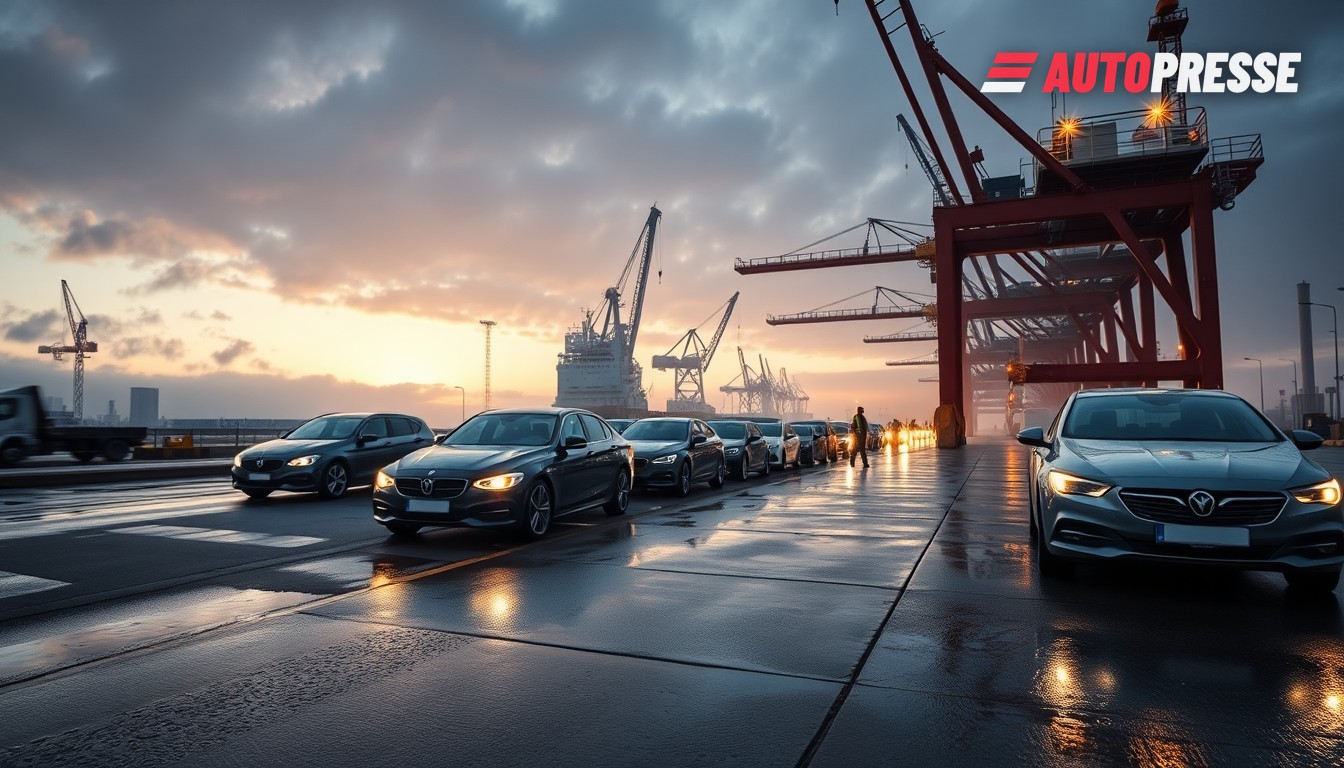
The car business that powers jobs across Germany and Austria is being squeezed by a new layer of trade measures. Consumers, dealers and factory workers face higher costs and shifting model line‑ups as EU anti‑subsidy duties on China‑built battery EVs, US import tariffs and negotiated exemptions change where cars come from and how they are priced.
Which measures are in force — and where
The European Commission imposed definitive countervailing duties on battery‑electric vehicles (BEVs) from China on 29 October 2024, with company‑specific ad valorem rates: BYD 17.0%, Geely 18.8%, SAIC 35.3%, other cooperating companies 20.7% and ‘all other’ companies 35.3% (in addition to standard customs duties). These measures remain the EU’s primary trade‑defence tool against low‑priced BEV imports from China.
At the same time, the EU has opened a route for individual exporters to offer price undertakings (minimum import prices and annual quotas) in exchange for exemption from those countervailing duties. The first such case accepted by the Commission was Volkswagen (Anhui)’s offer for the CUPRA Tavascan in February 2026: the model may be imported to the EU above a set minimum price and under an annual quota without paying the countervailing duty. The Commission’s formal implementing decision accepting that undertaking was published on 9 February 2026.
Across the Atlantic, the United States applied broad Section 232 tariffs on automobiles and certain parts in a 2025 proclamation (Proclamation 10908 of 26 March 2025) that initially set an extra 25% ad valorem duty on many vehicle imports. Implementation and negotiation have produced framework agreements and implementing guidance, but the higher tariff environment has already altered trade flows and investment decisions.
What this means for the market
The combined effect is palpable in German trade figures: between January and July 2026 Germany exported roughly 2.0 million new passenger cars worth €73.5 billion, with export volumes down 4.0% and export value down 8.9% year‑on‑year; imports of new cars rose 16.0% over the same period, with China the largest single supplier. That shift illustrates growing import pressure even as duties lift some but not all competitive advantages for Chinese brands.