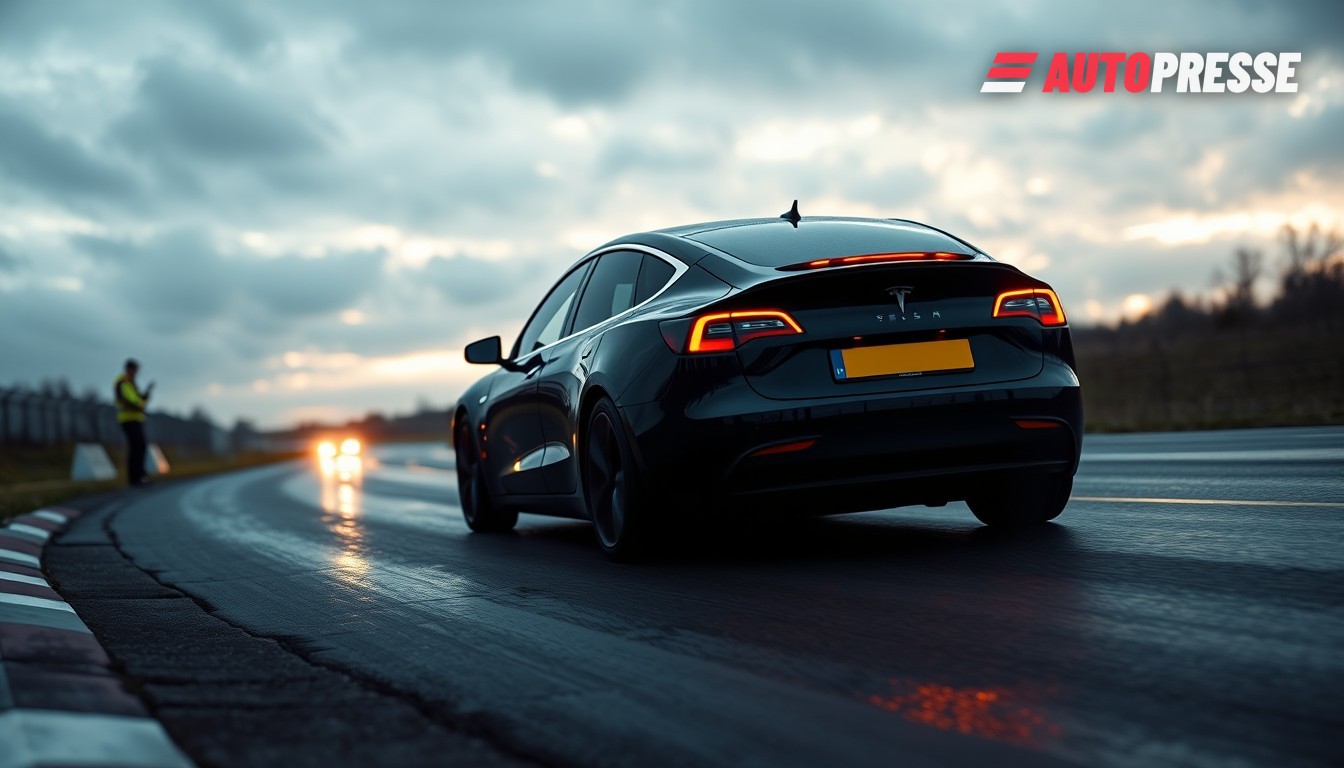
Germany has put its weight behind a Europe‑wide approval process for Tesla’s advanced driver‑assist software — renamed “Tesla Assisted Driving” (TAD) in Europe — while a string of recent national decisions has accelerated the political debate. The Federal Ministry of Transport (BMV) says it reached an understanding with Tesla in September and will support a prompt continuation of the EU procedure; the ministry also recorded that the company agreed the system may exceed a posted speed limit “by a maximum of ten percent”.
Late‑October momentum: Latvia, Italy and regulator moves
On 26 October Latvia’s Road Traffic Safety Directorate (CSDD) recognised the provisional EU type approval issued earlier by the Dutch authority RDW; Tesla Europe posted on X the same day: “Now approved in Latvia 🇱🇻 Rollout begins soon.”
Three days later Italy’s Deputy Prime Minister and Transport Minister Matteo Salvini wrote on X that he had had a “very positive and constructive conversation with @elonmusk” and that “Italy is looking with great interest at the opportunities offered by assisted driving technologies … and supports a swift EU approval of Tesla Assisted Driving.” That public backing from Rome (population ~59 million) is politically significant because EU‑wide approval requires a qualified majority of member states representing at least 65% of the EU population.
At the same time regulators tightened the technical frame. Norway’s road authority updated official guidance on 29 October and reported that Tesla has dropped one of the earlier requests for an exemption — the waiver for higher lateral (cornering) acceleration — narrowing the set of deviations from UN Regulation R171 that the Dutch RDW had asked the committee to accept. Norway’s update also reiterated questions about how the system handles speed limits.