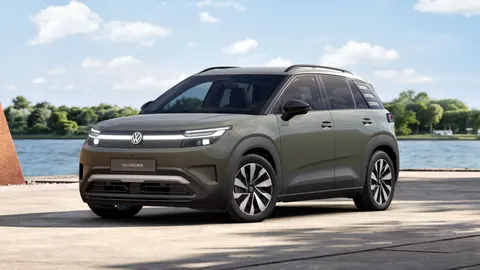
Germany’s new‑car market delivered a clear, data‑backed twist in October: battery‑electric vehicles (BEVs) rose to 37.0% of all new passenger‑car registrations, and a cluster of Chinese brands accelerated their gains — leaving BYD slightly ahead of Tesla in the January–October cumulative race. These shifts matter for drivers, dealers and fleets across Germany and Austria: they change resale expectations, dealer stocking, and parts & service planning across dealer networks.
October by the numbers
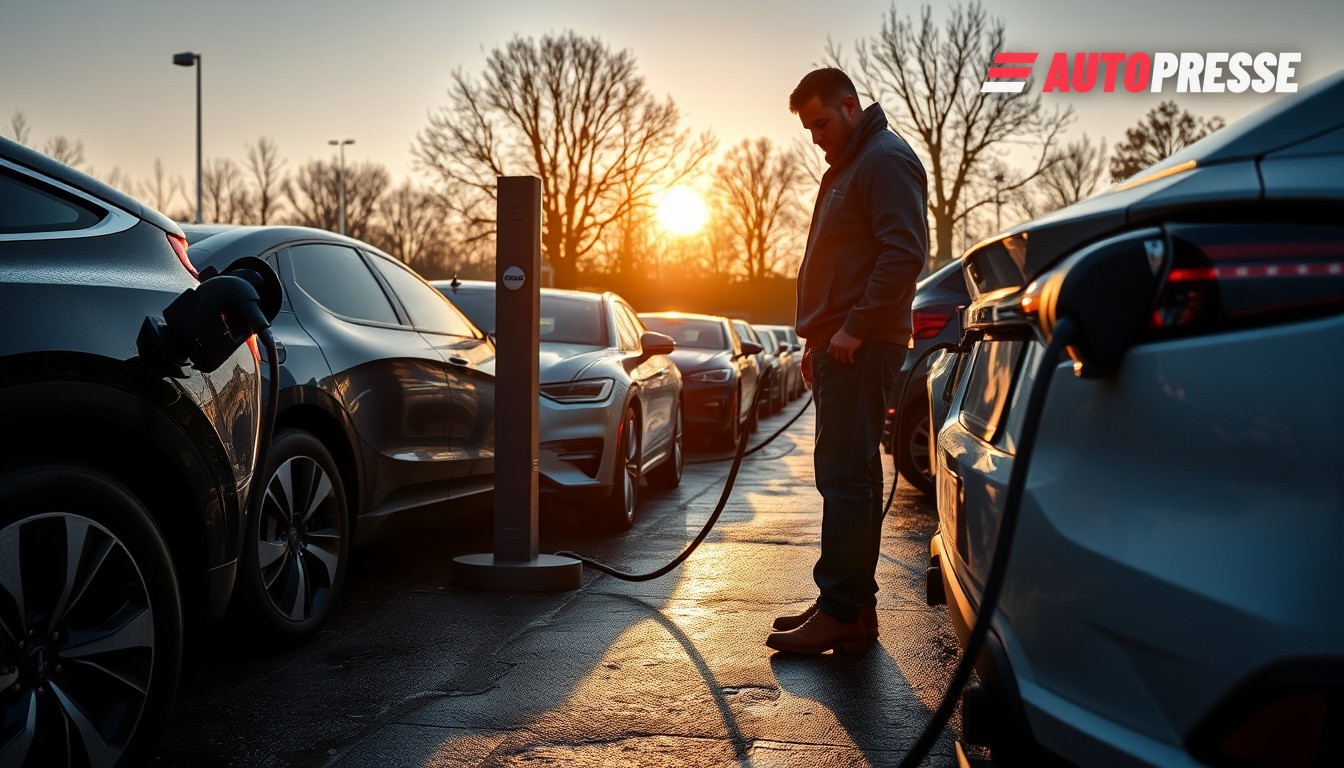
The Federal Motor Transport Authority (KBA) recorded 254,492 new passenger‑car registrations in Germany in October 2026. Of those, 94,086 were battery‑electric vehicles — a 79.5% rise versus October 2025 and a 37.0% share of the monthly market. The KBA release was published on 4 November 2026.
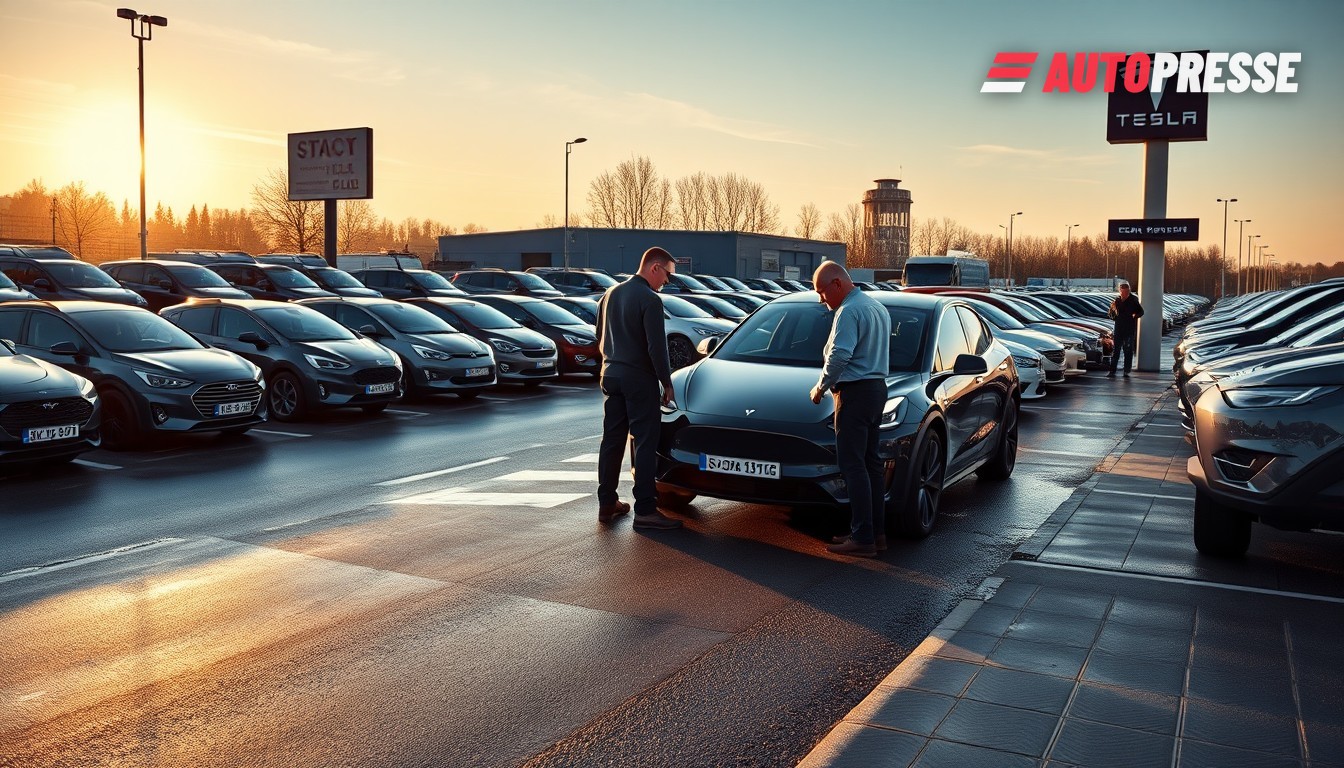
On the brand level October showed sharp winners and losers. Tesla’s registrations in Germany jumped 290.9% year‑on‑year to 2,932 cars in October, a strong monthly bounce after an exceptional September, but Tesla accounted for just 1.2% of October’s total market. BYD posted 5,173 new registrations in October (2.0% share) while other Chinese marques such as Leapmotor and Xpeng also delivered double‑ and triple‑digit percentage gains. Year‑to‑date through October, BYD stood marginally ahead of Tesla (BYD ~47,961 vs Tesla ~47,742 units in the KBA tables).
Not every manufacturer benefited. The KBA brand breakdown and media summaries show declines for several long‑established names in October: Opel −24.1%, Ford −9.8%, Audi −8.4%, Porsche −5.7% and Volkswagen −4.0% in the month‑on‑month/ year‑on‑year comparisons reported by industry outlets. At the same time Mercedes and BMW recorded growth in October, with Mercedes reporting 26,273 registrations (10.3% market share in October as reported).