Germany and Austria are showing a split used‑car market as buyers hunt bargains and financiers tighten: the median asking price on German listings stood at €27,490 on 1 November 2026, down €500 from October, even as three‑year battery‑electric vehicles (60,000 km) now fetch roughly 49.5% of their former list price — a level that has been rising while many petrol models soften.
Germany: prices slide, but EV residuals firm
Market data show a modest cooling: the Wiveda asking‑price index fell 1.8% month‑on‑month to a median €27,490 on 1 Nov 2026 (sample: 27,856 active listings). At the same time, the Deutsche Automobil Treuhand (DAT) reports 540,596 used‑vehicle ownership transfers in October and a three‑percent decline in used‑car transfers year‑to‑date compared with the prior year — evidence that turnover is lower even as listing activity stays high.
DAT’s pricing breakdown highlights a divergence by powertrain: three‑year BEVs with ~60,000 km were trading at about 49.5% of their former list price, while petrol and diesel three‑year examples were around 57.9% and 56.7% respectively — but the petrol/diesel curves are moving downward while BEV values have been climbing in recent months. That dynamic is already changing trade‑in maths for dealerships and remarketing houses.
Austria: older, cheaper cars in demand; used EV interest surges
Austrian buyers are concentrating on affordability: AutoScout24’s Austrian index shows that 43.6% of search inquiries in October targeted cars aged 10–20 years (average price ~€12,954), while prices for so‑called 'Jahreswagen' (one‑year/near‑new cars) fell from €41,111 in January to €40,041 in October — a decline of €1,070 (‑2.6%). AutoScout24’s Country Manager Nikolaus Menches says demand focuses on older, cheaper used cars as buyers prioritise affordability.
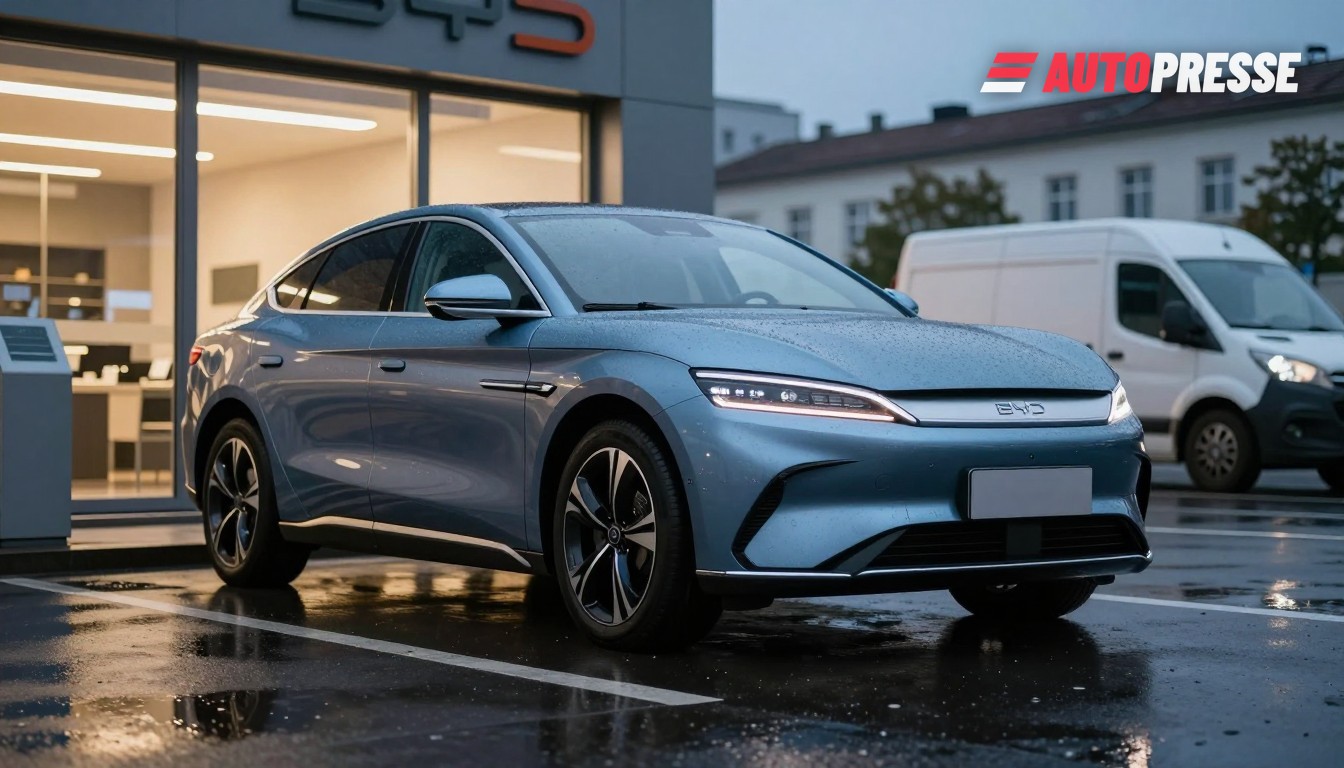
At the same time AutoScout24 reports a sharp rise in demand for used electric cars in Austria: a year‑on‑year increase of 78% in enquiries on the platform in September, with used‑EV asking prices showing upward pressure while petrol and diesel averages slide. The platform notes that supply and demand are moving in opposite directions for powertrains — more buyers chasing fewer used EV offers.
What this means for the market
Three measurable forces are colliding: asking prices are easing overall (Wiveda median €27,490), lending remains material to purchase decisions (median auto‑loan rates on smava were 5.99% for loans concluded in October 2026), and powertrain splits are re‑pricing risk for retailers and fleet managers. Dealers must manage greater inventory turnover risk on petrol cars while protecting margins on used EVs that currently retain buyer interest. Consumers who can finance at current median rates face a market with cheaper headline prices but diverging residual‑value trajectories by powertrain.
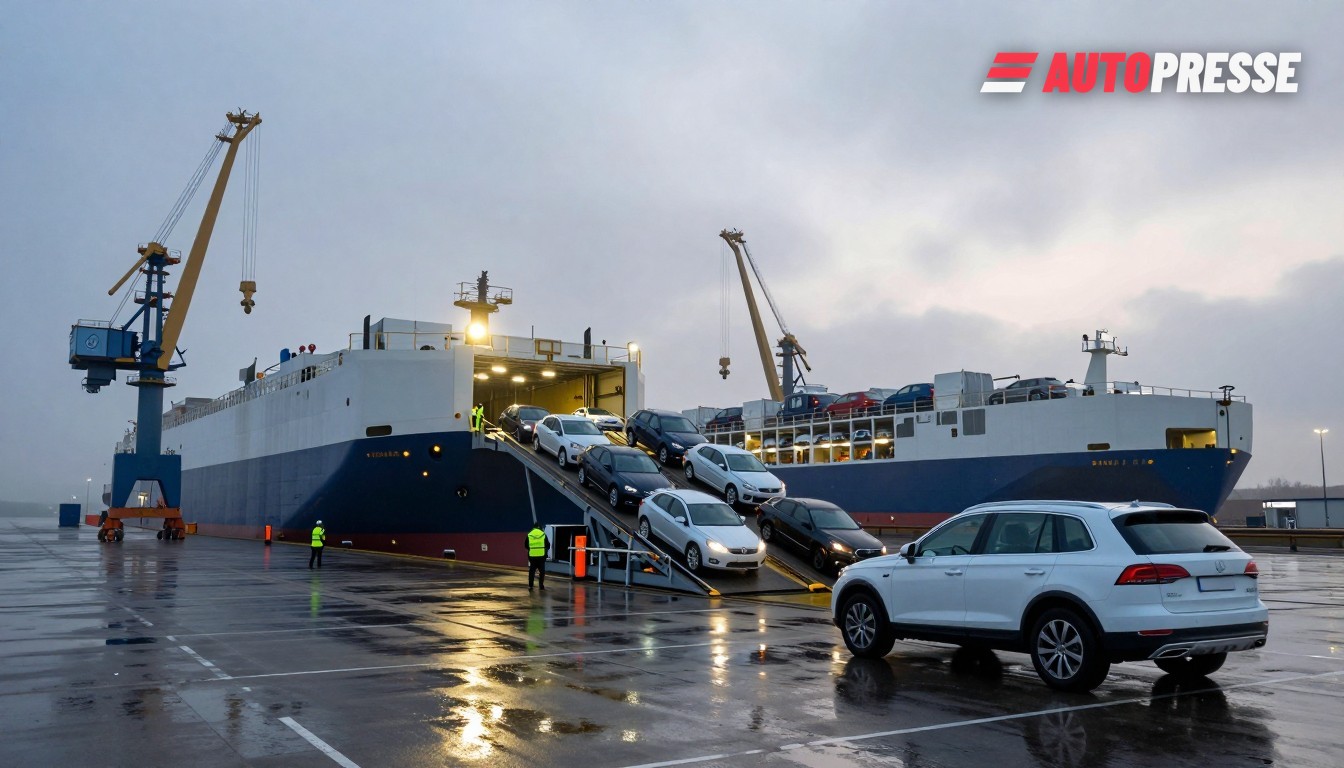
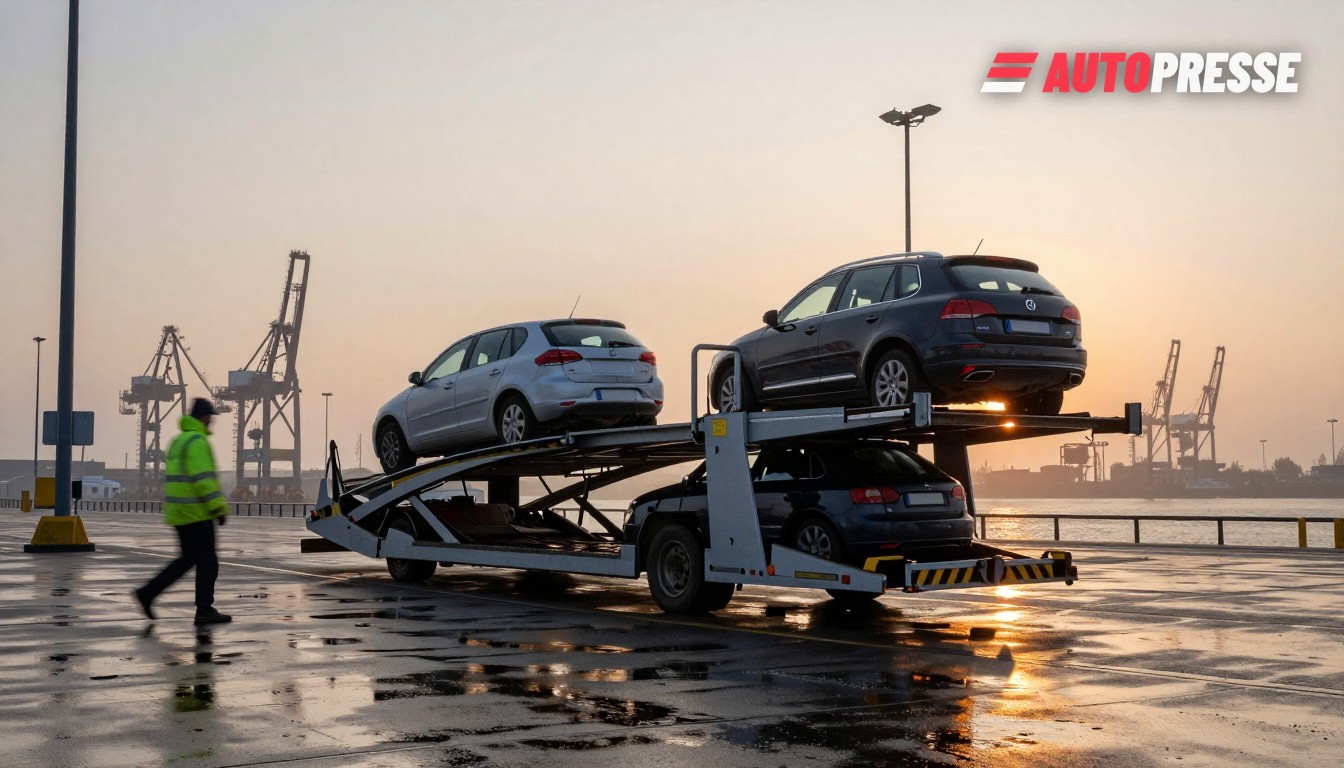
For cross‑border trade between Germany and Austria, the result is clearer: Austrian demand for older, low‑price used cars will keep feeding German stock flows, while scarcity of well‑priced used EVs supports remarketing channels and raises the value of clean‑vehicle stock. All figures above are drawn from platform and market‑data releases published in October–November 2026.
Used electric vehicles listings on WorldTrader24 →
Sources: Deutsche Automobil Treuhand (DAT), Wiveda, smava, AutoScout24