A Europe‑wide EPPO operation code‑named “Javelin” that led to 13 arrests in Germany and Austria on 5 November 2026 has put the spotlight on how cross‑border VAT rules can be abused in the luxury‑car market — and on the practical consequences for German and Austrian dealers, banks and buyers. The European Public Prosecutor’s Office says the network generated estimated unpaid VAT losses of about €100 million and that authorities executed seizure orders worth €26 million.
What happened — the facts
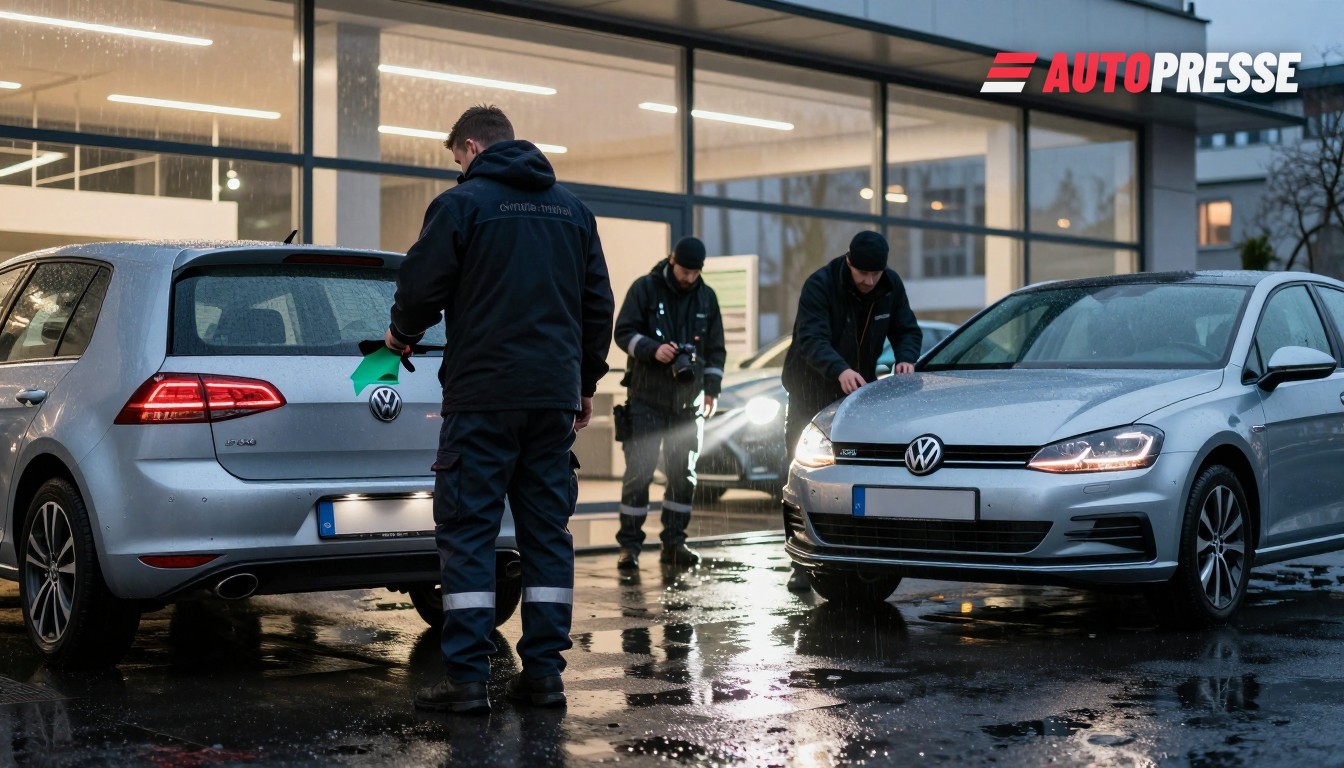
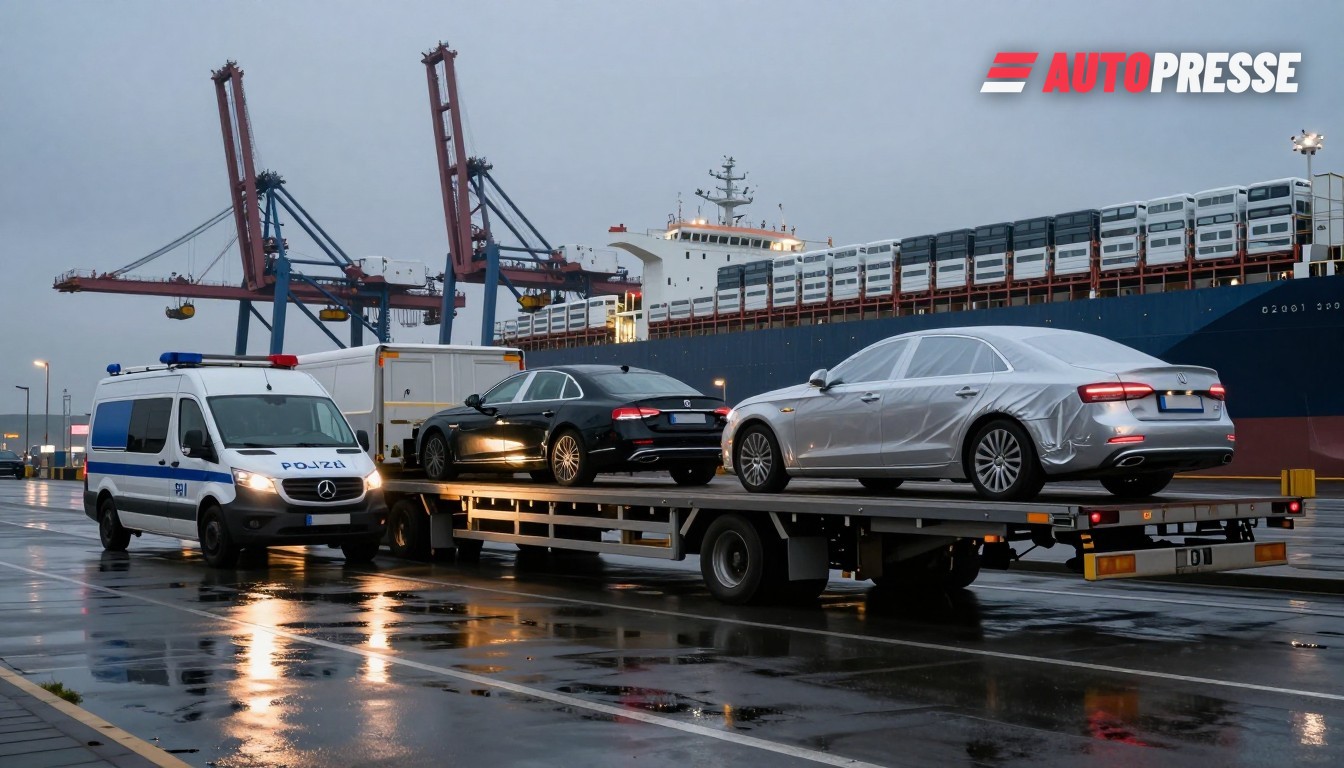
According to the EPPO press release, investigators carried out searches in Austria, Croatia, Czechia, Germany and Poland with support from more than 900 officers; 13 people were arrested and more than 50 suspects remain under investigation. Authorities seized dozens of cars, froze bank accounts and took real‑estate and other assets. EPPO describes a classic VAT “carousel” (missing‑trader/buffer) scheme: cars bought cross‑border at net prices (zero VAT) were resold domestically, VAT was collected from buyers and then not remitted to tax authorities.
The operation included coordinated action by German prosecutors in Mannheim and Berlin and Austrian authorities centred on Graz; the EPPO statement names tax investigation units, state police offices and customs services as participants and lists property seizures in Berlin and Croatia among the measures taken. All persons are presumed innocent until proven guilty in court, EPPO added.
Why dealers and cross‑border trade are affected
Investigators say the scheme relied on so‑called "missing traders" and intermediary or "buffer" companies that masked the true flow of vehicles and VAT. That structure puts legitimate dealers at risk in two concrete ways: first, cash‑flow disruption and legal exposure when funds or stock are linked to accused companies and then frozen; second, reputational and contractual disruption when dealers buy cars from intermediaries that subsequently vanish or are shown to have been part of a fraud chain. EPPO’s account of cars and accounts being seized illustrates both risks.
German trade bodies have long warned dealers to tighten checks on unfamiliar trading partners; the Central Association of German Motor Trades (ZDK) and regional dealer guidance note anti‑fraud measures and call for closer information exchange between business, tax authorities and police. Those recommendations gain urgency after the EPPO action.
What this means for the market
Short term: affected dealerships and finance providers may face frozen funds or collateral calls if their counter‑parties are subject to seizure orders; stock of high‑value used cars can be impounded, delaying sales and pushing warranty and storage costs onto sellers. Mid term: EU‑level VAT modernisation already scheduled under the “VAT in the Digital Age” (ViDA) package — which mandates progressive digital reporting and e‑invoicing for cross‑border B2B transactions by 2030/2035 — is designed to reduce exactly these vulnerabilities, but full rollout lies years ahead. Dealers that trade across borders should expect more intensive documentation checks and faster reporting obligations as Member States implement ViDA.
Austria’s fraud‑prevention authorities have previously flagged manipulation of supply‑chain documents in luxury‑car cases; combined with the EPPO findings, that history suggests both countries’ enforcement agencies will press dealers and finance partners for stronger Know‑Your‑Counterparty processes.
Observers note precedents where car dealers were criminally prosecuted or sanctioned after being linked to illicit export or VAT schemes — a reminder that individual dealers can quickly become legal targets in large, cross‑border investigations.
For now, the EPPO operation underlines two immediate imperatives for dealers in Germany and Austria: review trading chains and contracts for exposure to non‑remitting intermediary platforms, and prepare for accelerated digital reporting under ViDA. Any dealer holding vehicles or funds tied to the investigated companies should seek legal and tax advice promptly.
B2B vehicle marketplace for dealers on WorldTrader24 →
Sources: European Public Prosecutor’s Office (EPPO), Handelsblatt