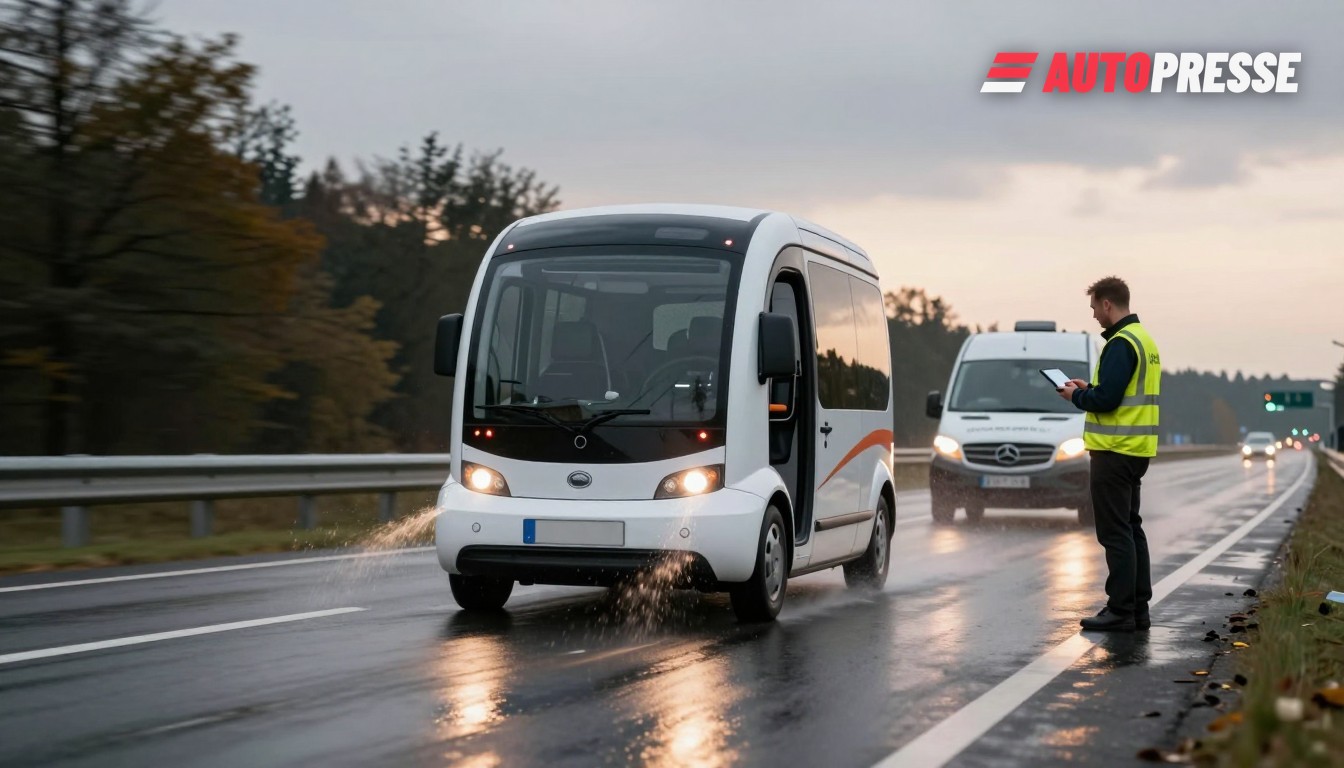
EU data law and new type‑approval rules are no longer an abstract Brussels debate: they are changing who can see, use and sell vehicle data in Germany and Austria — with visible effects for drivers, garages, insurers and dealerships. The Data Act’s access rights, Germany’s ITS reform and Austria’s new Data Governance rules have hit the road in 2026–2026; but a new FIA study warns that legal rights do not automatically become usable services.
What the new rules require — and when
The EU Data Act (Regulation (EU) 2023/2854) became directly applicable across the Union; users and third parties can assert access rights for non‑personal connected‑product data since 12 September 2025, while design obligations for new products come into force for items placed on the market after 12 September 2026. National authorities in Germany and Austria have published guidance and started implementation work.
At the same time, the revised Annex X to the EU type‑approval rules — which standardises access channels for vehicle diagnostics, ADAS and battery information — entered into force in June 2026 and will be phased in through 2028. The Annex gives independent repairers explicit rights (diagnostics, coding, updates) but also lets manufacturers restrict access on cybersecurity grounds, creating a practical grey area.
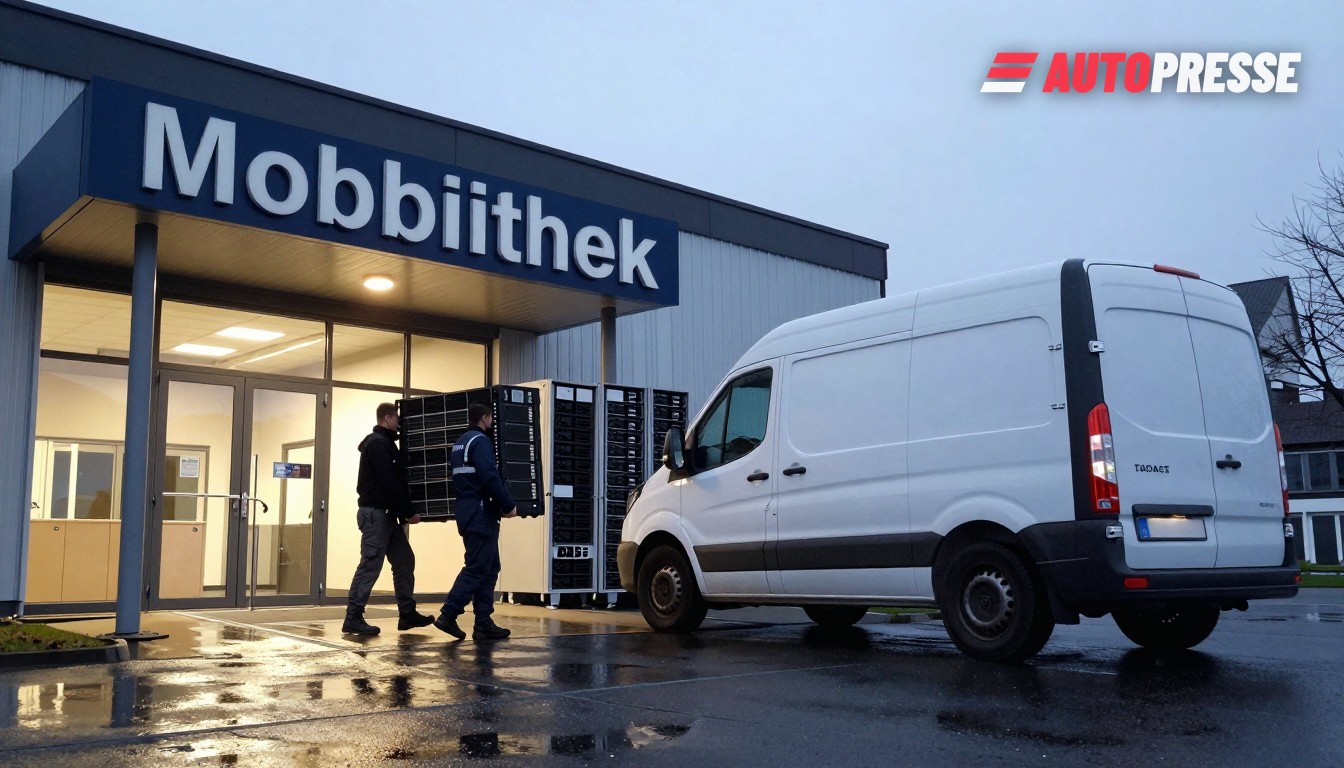
Germany updated its national framework for Intelligent Transport Systems with an Act finalised 15 May 2026 and published in the Federal Law Gazette on 20 May 2026; the change sets out the national access point and tasks for the Federal Highway and Transport Research Institute (BASt) and ties national ITS duties into the EU delegated acts. BASt already operates the Mobilithek national access point for mobility data.
How Austria is framing data governance
Vienna has pushed its own implementing legislation. Austria’s Data Governance / Data‑Access provisions (the national DZG implementing the EU Data‑Governance framework) designate the Federal Chancellery as the competent authority, with the Austrian national statistics office and the federal IT centre (BRZ) running registers and application management — concrete structures that aim to make data re‑use requests traceable and auditable. The consolidated text was available in autumn 2026.
Manufacturers are already adapting. BMW began a staged rollout of situational video‑data capture on vehicles with its Operating System X on 1 April 2026; from September 2026 BMW moved to a back‑end model where unblurred video is transmitted to a secured environment for automated analysis, then blurred only before any exceptional manual access. The company frames the programme as necessary to improve driver‑assistance and automated functions while emphasising technical de‑identification and legal bases under GDPR.
What this means for the market
Rights on paper are only the start. The FIA Region I expert study (9 November 2026) finds major variation in how ten large manufacturers implement access: some are relatively open, others effectively restrict access in practice; many charge for server‑side services and do not publish prices. Annex X protects independent repair rights but cybersecurity carve‑outs give OEMs leverage to limit live access, meaning independent garages, fleets and mobility clubs still face inconsistent datasets, uncertain uptime and opaque costs.
For drivers and small businesses the immediate opportunities are real — better roadside assistance, clearer battery information for used EVs, and new aftermarket services — but take‑up will depend on simple consent flows, transparent pricing and interoperable data formats. National bodies (BASt/Mobilithek in Germany; the Federal Chancellery and Statistics Austria in Vienna) will be central to turning legal rights into practical services.
Policymakers in Berlin and Vienna now face two tasks: enforce the letter of the Data Act and Annex X, and police the practical conditions — consent design, published tariffs and cybersecurity exemptions — that determine whether vehicle data opens new competition or merely formalises existing OEM control.
B2B vehicle listings on WorldTrader24 →
Sources: Bundesnetzagentur, Federal Ministry of Transport (Germany), FIA Region I, BMW Group, RIS Austria, Digital Austria