Germany and Austria are quietly investing in the physical infrastructure that will decide which cars and technologies reach roads first. New test halls, battery ‘torture’ facilities, cross‑border V2X pilots and a German drone test hub have multiplied validation capacity this year — a direct response to electrification, software‑defined vehicles and automated systems that require months of specialised testing before type‑approval or fleet deployment.
Major builds and reopenings
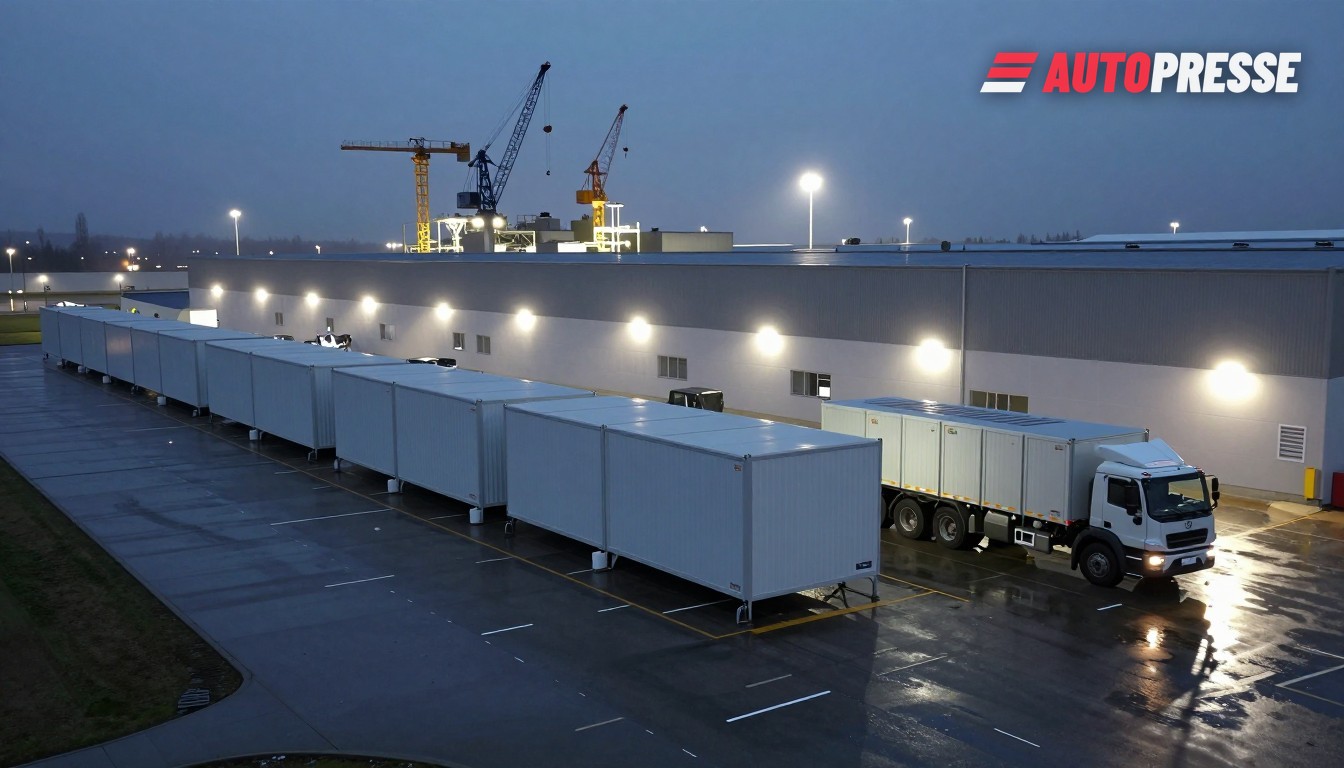
AVL is constructing two turnkey Powertrain Solution Centers — one in Freising (near Munich) and one in Tappenbeck (near Wolfsburg) — a project AVL says totals roughly €80 million and includes climatic altitude chambers, all‑wheel dynamometers and full workshop infrastructure; trial runs have already started in Wolfsburg and openings are planned for autumn 2026.
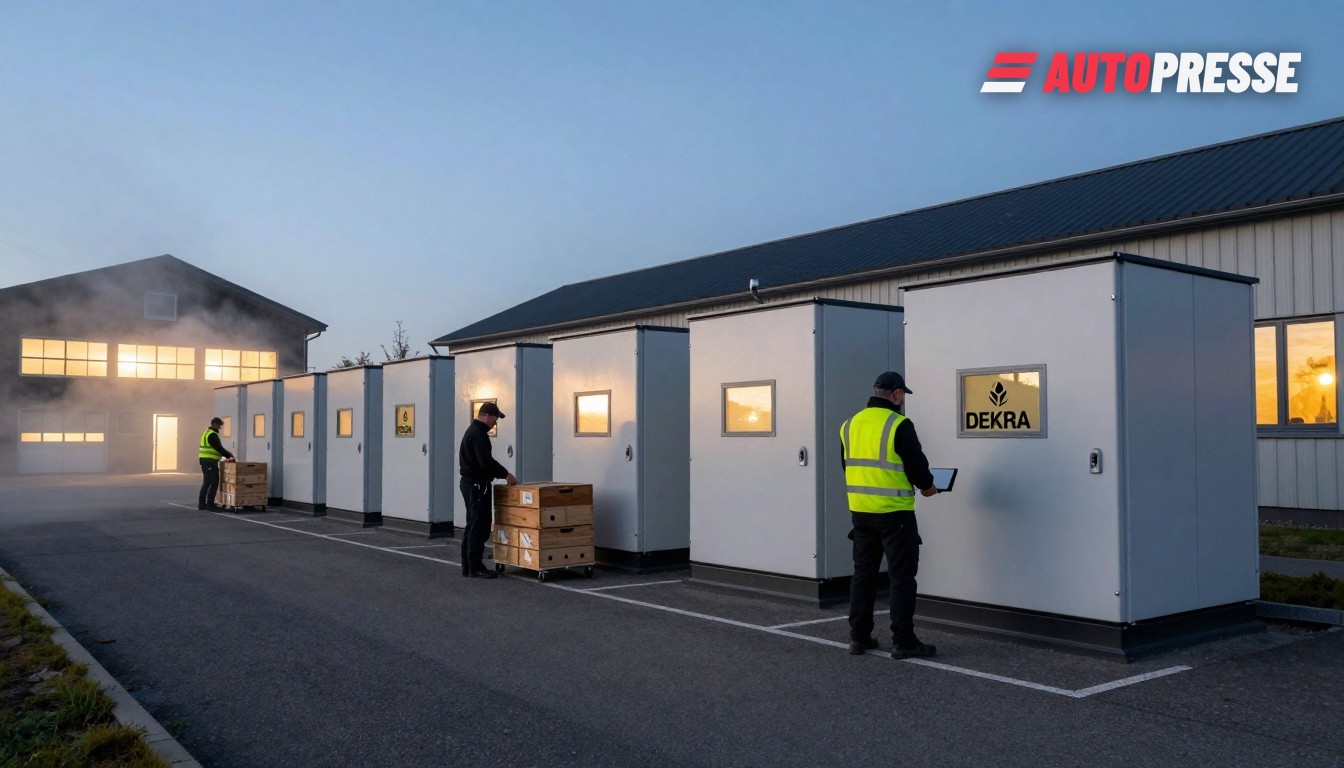
Battery testing capacity has also surged: Europe’s largest battery test centre, DEKRA’s facility in Klettwitz (Lusatia), operates extreme environmental, vibration and controlled‑fire test chambers used for both vehicle and stationary storage batteries — a site Euronews visited on 19 September 2026 and quoted DEKRA staff explaining tests that range from −40°C climate cycles to full container‑fire scenarios.
Historic automotive proving grounds are reappearing on the map: TRIWO Automotive Testing took over the Dudenhofen test centre in June 2026 and restarted operations; Stellantis/Opel will use the site first, with the operator planning to open the facility to third parties from early 2027. The Dudenhofen complex — with high‑speed ovals, durability circuits and handling courses — is again available for ADAS and complete‑vehicle validation.
New domains: V2X and vertical mobility
On the software and connectivity side, Austria hosted a C‑Roads cross‑border Cooperative ITS (V2X) X‑Test in Vienna from 20–22 October 2026 to run Euro NCAP 2026 local‑hazard use cases, V2X traffic‑light trials and IVI speed‑limit messaging in an urban‑to‑motorway test sequence — evidence that connected‑vehicle validation is moving from labs onto public infrastructure.
Germany is widening the concept of vehicle testing beyond cars: RWTH/Aldenhoven staged a groundbreaking in mid‑March 2026 for a Center for Vertical Mobility (CVM) next to the Aldenhoven Testing Center; the project has €31.3 million in state and federal backing and plans early test activity from late 2026, creating a certified environment for drones and small air taxis linked to ground‑vehicle test assets.
What this means for the market
The region’s expanded testing capacity shortens validation lead times for OEMs and suppliers — especially for batteries, ADAS/V2X stacks and novel air‑vehicle systems — and makes Germany and Austria more attractive for R&D and third‑party validation contracts. For buyers and fleets it should translate into safer, better‑validated products; for suppliers and test operators it brings new revenue streams but also tougher competition for staff and lab time. Policymakers gain local control over compliance testing, while independent engineering houses and EU‑wide certification bodies will need to coordinate calendars to avoid bottlenecks.
Electric vehicle listings on WorldTrader24 →
Sources: AVL List GmbH, Euronews, Auto Motor und Sport, C‑Roads, Aldenhoven Testing Center / Kreis Düren