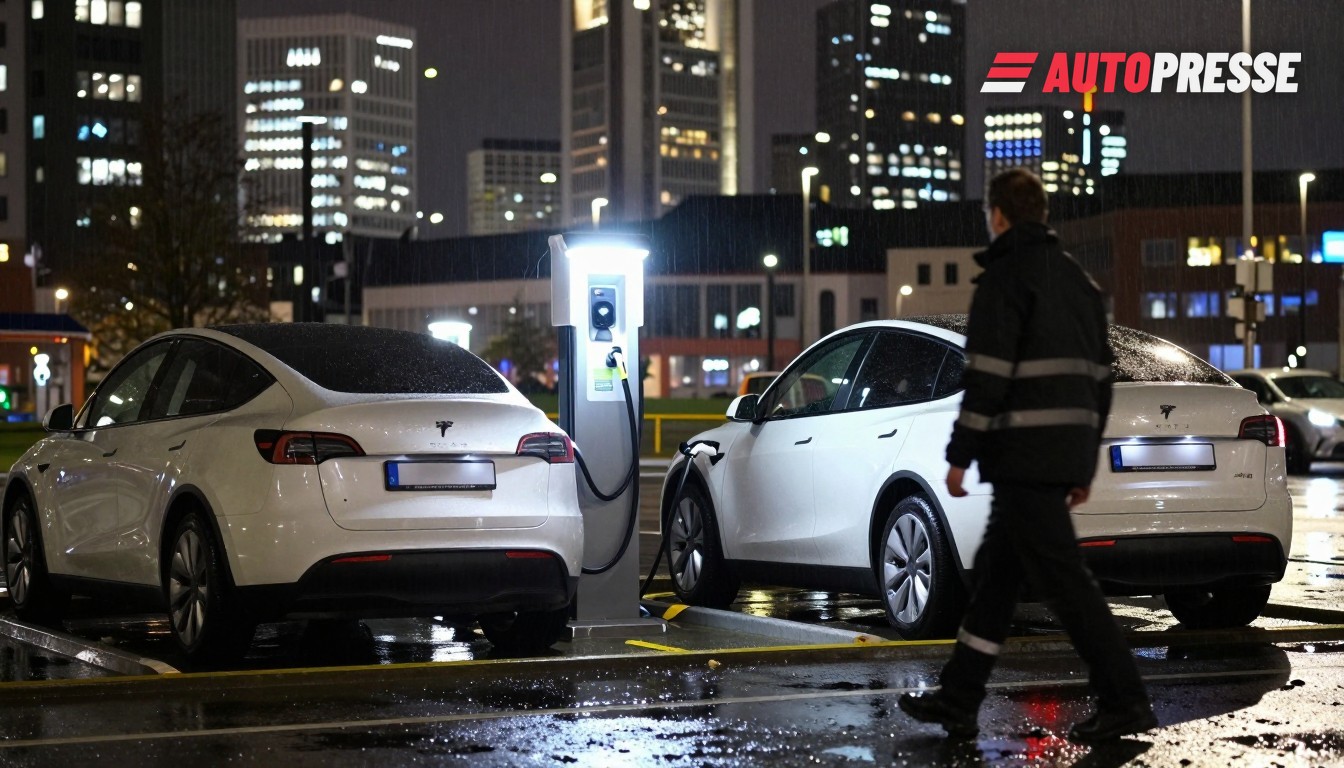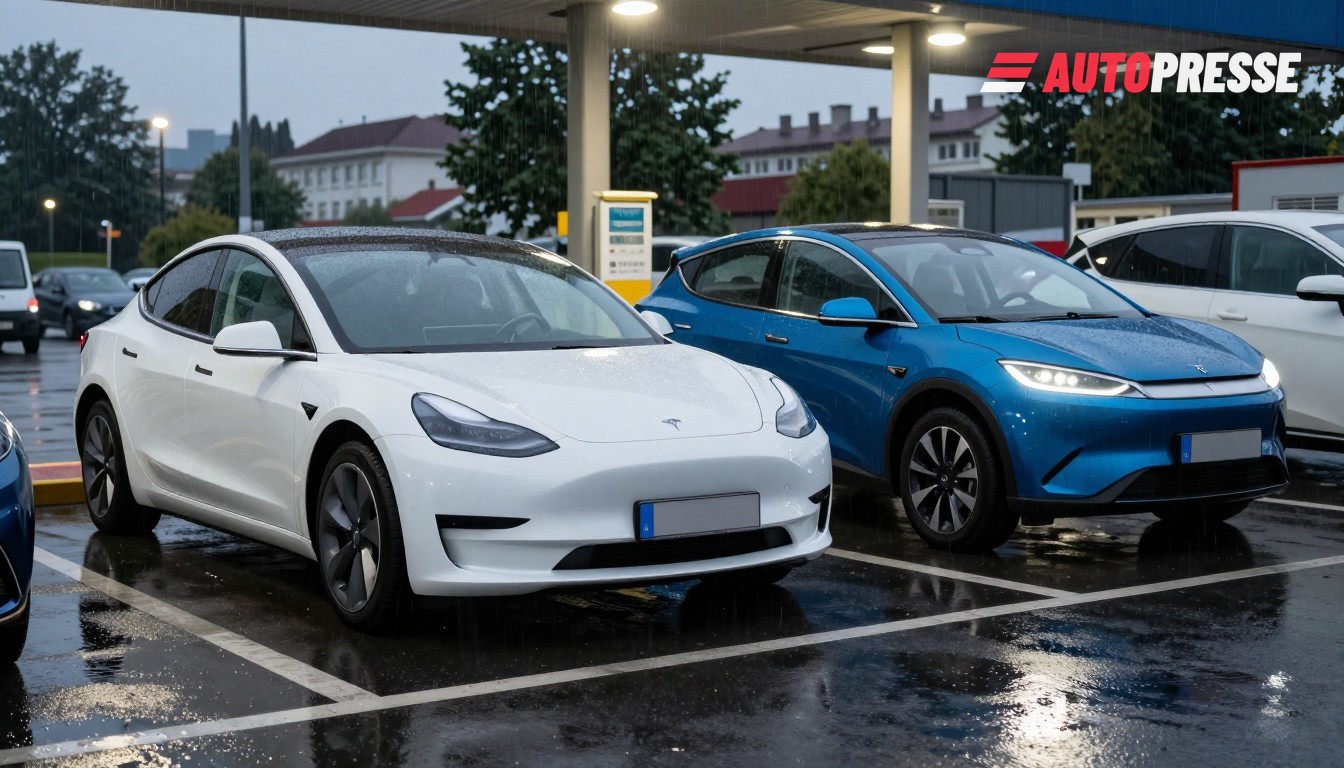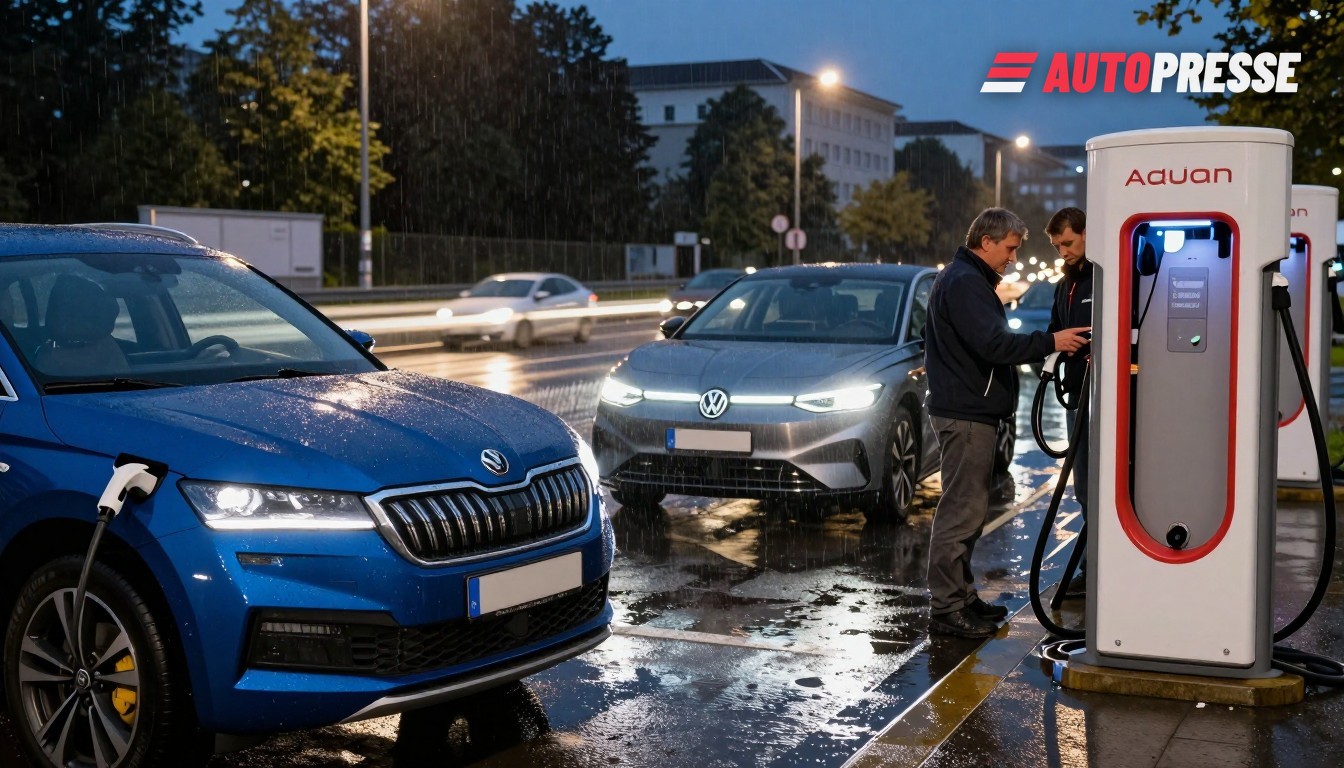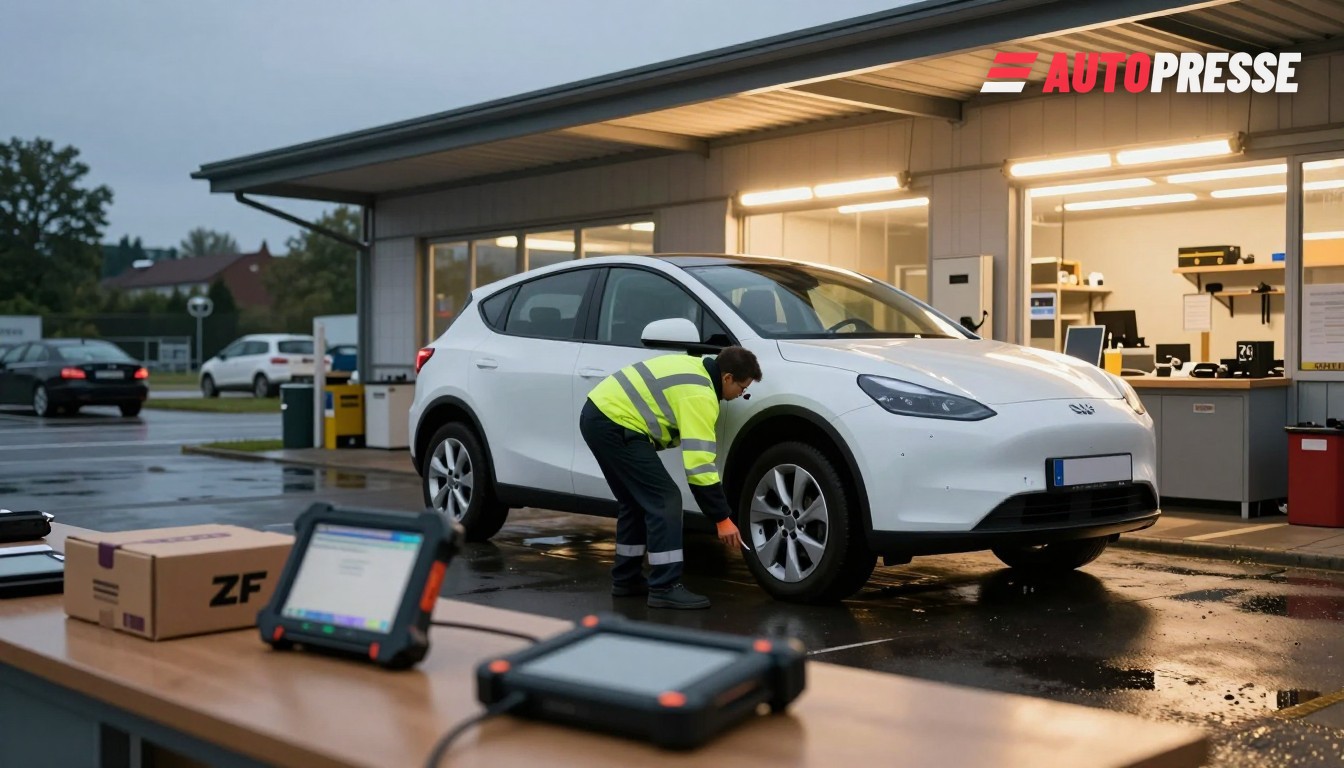
Germany and Austria’s vehicle market is showing two conflicting trends that matter to drivers, dealers and workshop owners: an ageing combustion-car fleet that keeps service bays full, and a fast-growing electric parc that requires new tools, parts and software access. The clash is shifting profit pools from routine mechanical work to high-value diagnostics, battery and power‑electronics repairs — and straining insurers who pay for increasingly complex claims.
Ageing cars keep the lifts occupied
The TÜV-Report 2026 finds Germany’s car parc is older than ever: about 6% of three‑year‑old vehicles fail inspections with significant defects, rising to some 23% for ten‑year‑old cars and roughly 28% for cars older than 12 years, signalling steady demand for traditional repair and maintenance work. TÜV experts warn material fatigue and electronic ageing are driving the higher defect rates.
But EVs require new skills, diagnostics and parts
At the same time workshops report limited EV workload today while preparing for it. The DAT Barometer (October 2026) shows many workshops remain under cost pressure and that a large share of independent shops still see only a small number of electric‑vehicle repair orders — a gap between training/equipment needs and current billable work.
Diagnostic access is now a concrete barrier: the LKQ Plug‑In‑Dex found that nearly nine in ten independent garages have referred at least one EV or plug‑in enquiry in the past six months, and 27% identified lack of access to vehicle diagnostics and technical data as the main reason preventing further investment in EV servicing. That dynamic risks concentrating complex EV repairs with franchised dealers and OEM‑approved networks.
Parts suppliers are responding. At Automechanika 2026 ZF Aftermarket unveiled an "E‑Mobility Repair Kit" strategy and says its portfolio covers about 92% of Europe’s top 20 EV models today; ZF also plans catalogue expansion for emerging (including Chinese) models through 2027, with over 100 repair‑kit variants and a growing remanufactured parts range to reduce the need for full unit replacements. Those moves aim to keep component‑level work viable for independent shops.
Pressure is showing up in the insurance market too. The German Insurance Association (GDV) estimates motor insurers’ combined ratio will deteriorate to about 99% in 2026 (from roughly 96% in 2025) as claim costs rise; GDV notes an average vehicle damage claim of around €4,600 and attributes much of the increase to higher workshop hourly rates and pricier replacement parts. GDV’s projection underlines that both conventional and electrified‑vehicle repair costs are squeezing insurer margins.
What this means for the market
For drivers: maintenance remains essential. Owners of older petrol and diesel cars should expect steady demand for parts and labour; EV owners should check where dealers and independents can service high‑voltage systems and ask about diagnostic access and battery‑health checks before purchase. For independent workshops: the business model is in transition — traditional mechanical work keeps revenues now, but investment in diagnostic access, high‑voltage training and component repair capability (or partnerships with parts remanufacturers) will determine who captures the higher‑margin EV work. For dealers and OEMs: restricting or enabling diagnostic/data access will shape aftermarket competition and local service availability. For insurers: expect continuing upward pressure on claim costs and pricing as complex EV repairs and parts remain costly while the fleet ages in parallel.
Policymakers and trade groups face a choice: support independent repair through mandated data access, accredited training programmes and targeted funding for tooling, or accept a market that channels complex EV repair into franchised networks. The supplier response from companies such as ZF shows the aftermarket can be equipped — but diagnostics and data access remain the critical bottleneck.
Electric vehicles listings on WorldTrader24 →
Sources: TÜV NORD (TÜV‑Report 2026), DAT Barometer (Oct 29, 2026), LKQ Plug‑In‑Dex (Sep 2026), ZF Aftermarket (Automechanika 2026), GDV (insurer projections, Oct/Nov 2026).