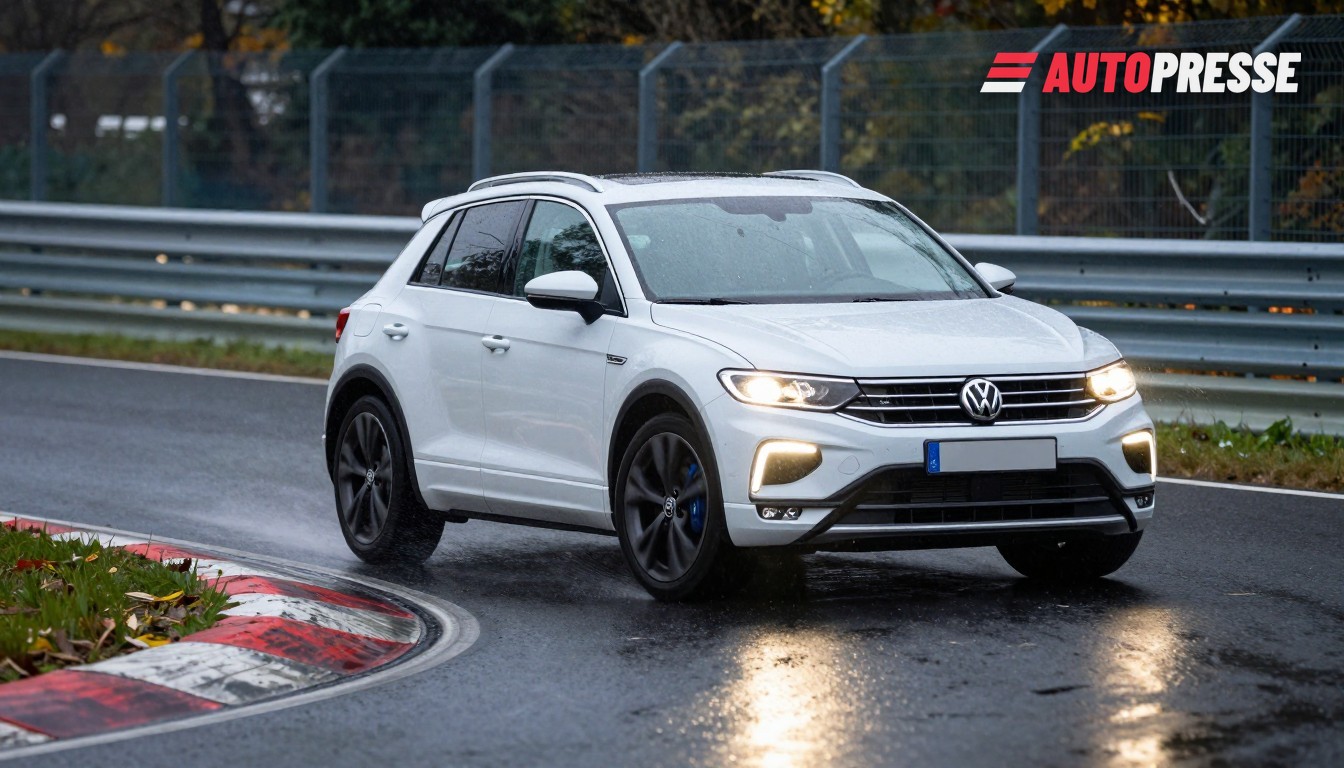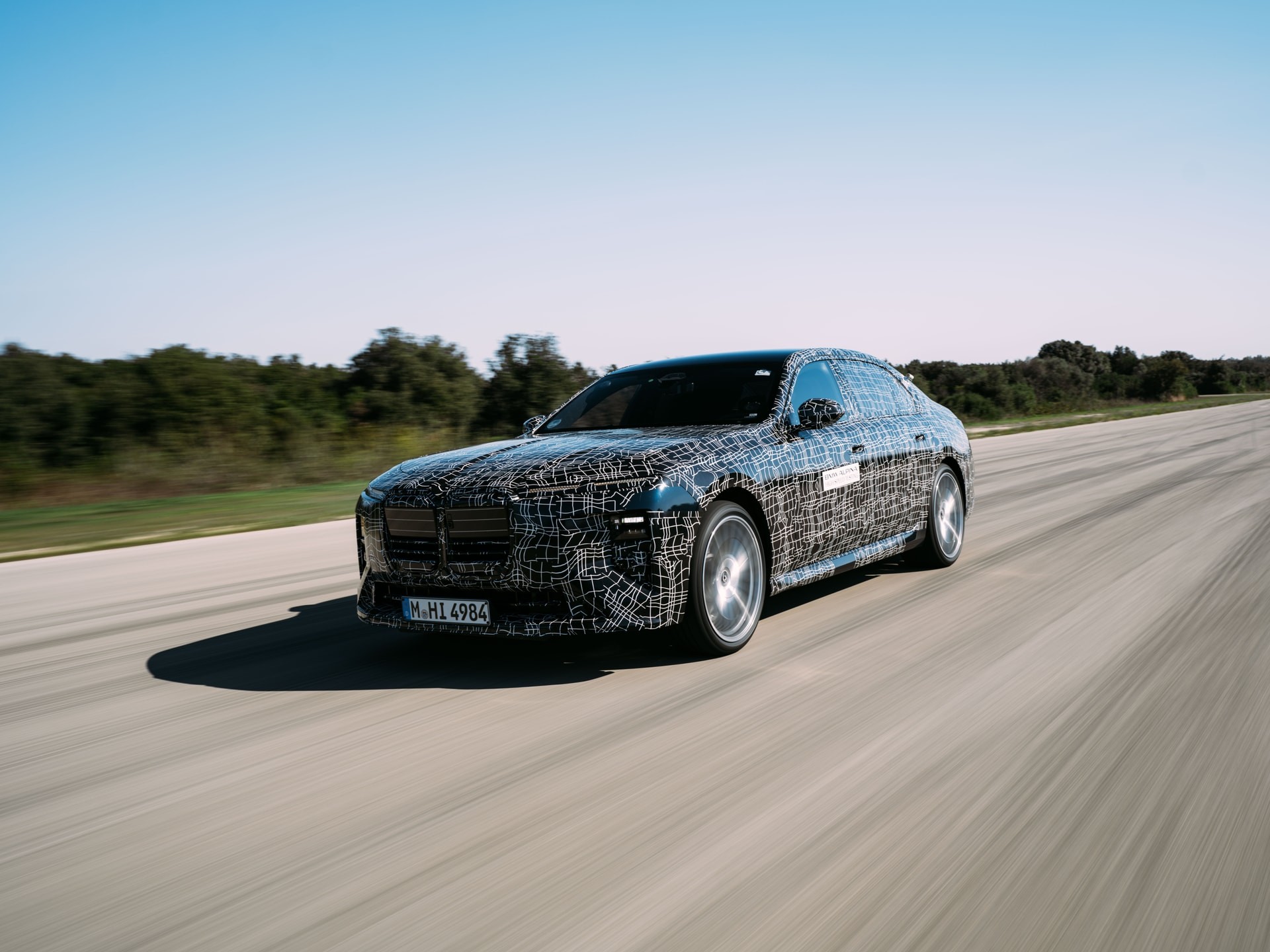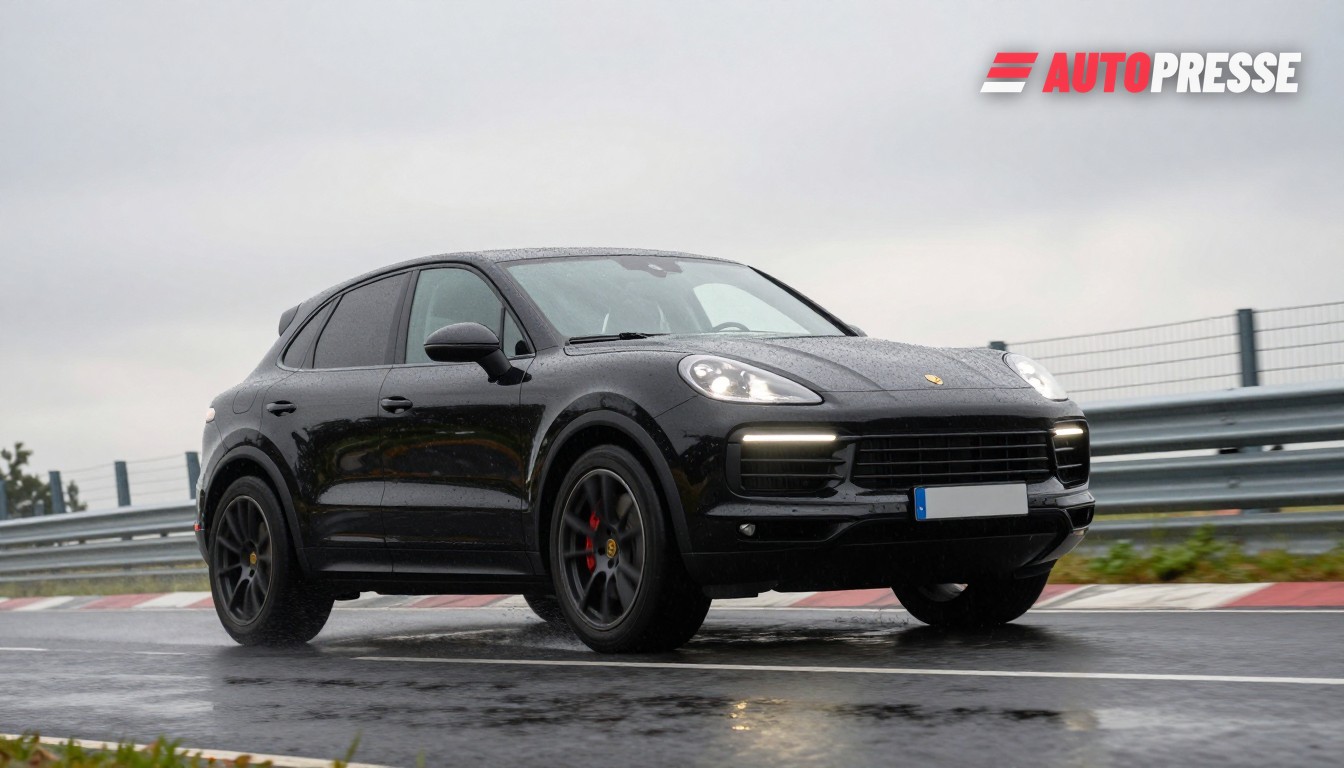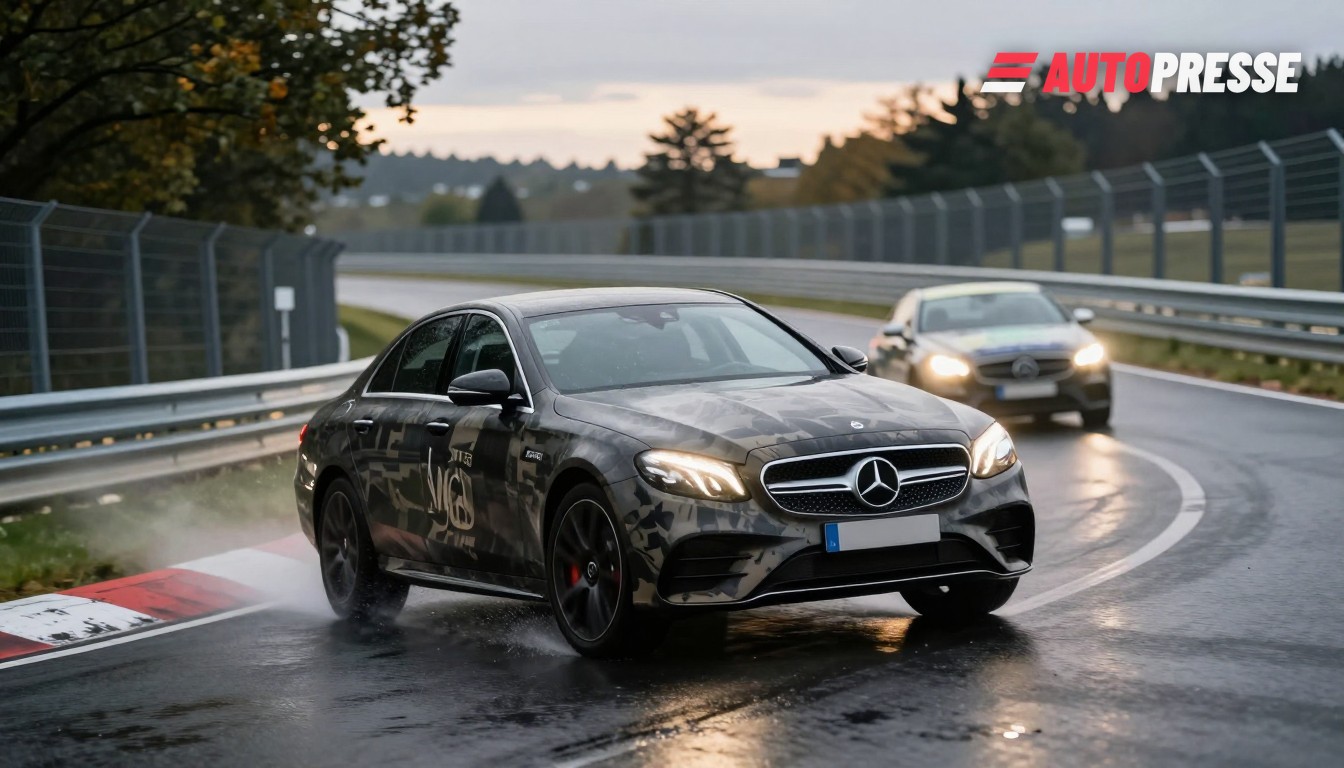
A heavily camouflaged Mercedes‑AMG prototype of the next‑generation, fully electric E‑Class has been photographed testing at the Nürburgring Nordschleife — and the new images give the clearest look yet at Mercedes’ strategy to fold EVs back into its core model names. That matters to German and Austrian drivers, dealers and suppliers: the E‑Class is a volume and margin anchor for Stuttgart, and a high‑performance AMG version will carry outsized showroom and aftersales value.
What the spy shots reveal
Spy photographers and industry sites report that recent prototypes show a conventional three‑box sedan silhouette rather than the egg‑shaped EQ family look, with production lighting elements visible under reduced camouflage. Autoblog’s gallery notes a panoramic glass roof, physical door handles and new front lighting motifs; the car was seen on public roads close to the Nürburgring in September 2026.
German technical coverage adds the engineering picture: the electric E‑Class will use Mercedes’ MB.EA‑M mid‑size EV architecture and is being prepared with 800‑volt electrics to speed charging. Auto Motor und Sport’s spy‑shot analysis (published March 29, 2026) and later photo runs list 800‑volt tech and MB.EA‑M as key items under test.
Crucially for performance buyers, several outlets captured an AMG‑spec prototype with wider fenders, unique wheel designs and a deeper front bumper — the visual language of AMG development cars. The AMG mule was observed on the Nordschleife in mid‑September and again in autumn 2026. Reports and gallery captions put the AMG target output in the 800–900 PS range for a top‑line model, echoing AMG’s use of high‑power electric drivetrains on the AMG.EA platform.
Timing and concrete figures
Mercedes’ public‑facing timeline and competitor coverage point to a 2027 market introduction for the new, electric E‑Class line (replacing the EQE in the brand’s lineup), with some outlets indicating early‑series cars and AMG prototypes being tested through late 2026. Autoblog’s reporting (Sep 8, 2026) cites insiders who expect dealer deliveries in 2027; Auto Motor und Sport and InsideEVs published prominent spy galleries in March and September 2026 respectively. The same reporting mentions the potential for very long‑range single‑motor variants (Autoblog cited WLTP claims up to 621 miles for certain configurations, a figure carried as expected‑range speculation rather than confirmed factory output).
What this means for the market
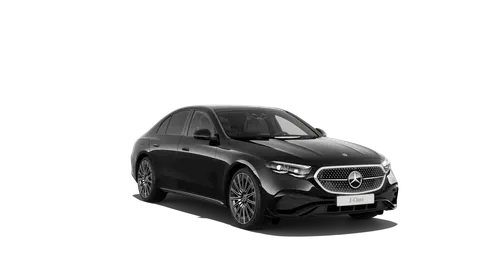
For Germany and Austria the shift has four consequences. First, Mercedes re‑integrating electric derivatives under classic nameplates (E‑Class, C‑Class) increases showroom familiarity and could make EV adoption smoother for conservative buyers — dealers will need to plan training and parts stocking for both high‑voltage systems and AMG performance packages.
Second, the use of MB.EA‑M and 800‑volt charging will pressure suppliers and Tier‑1s in Germany and Austria to deliver power electronics and cooling systems to new tolerances; Mercedes’ Sindelfingen and other German sites are already adapting plants for MB.EA work. Third, an 800–900 PS AMG E‑Class would keep demand for high‑performance parts, software and service margins strong in the luxury channel. Finally, Nürburgring test activity signals final tuning for chassis, brakes and thermal management — areas where local suppliers and test facilities play a direct role.
Mercedes has not published final specifications; the details above are drawn from spy‑shot reports, industry photography captions and specialist coverage from 2026. We will update when Stuttgart confirms dates or specs.
Mercedes‑Benz electric models on WorldTrader24 →
Sources: Autoblog, auto motor und sport, InsideEVs, Jalopnik, SEMA