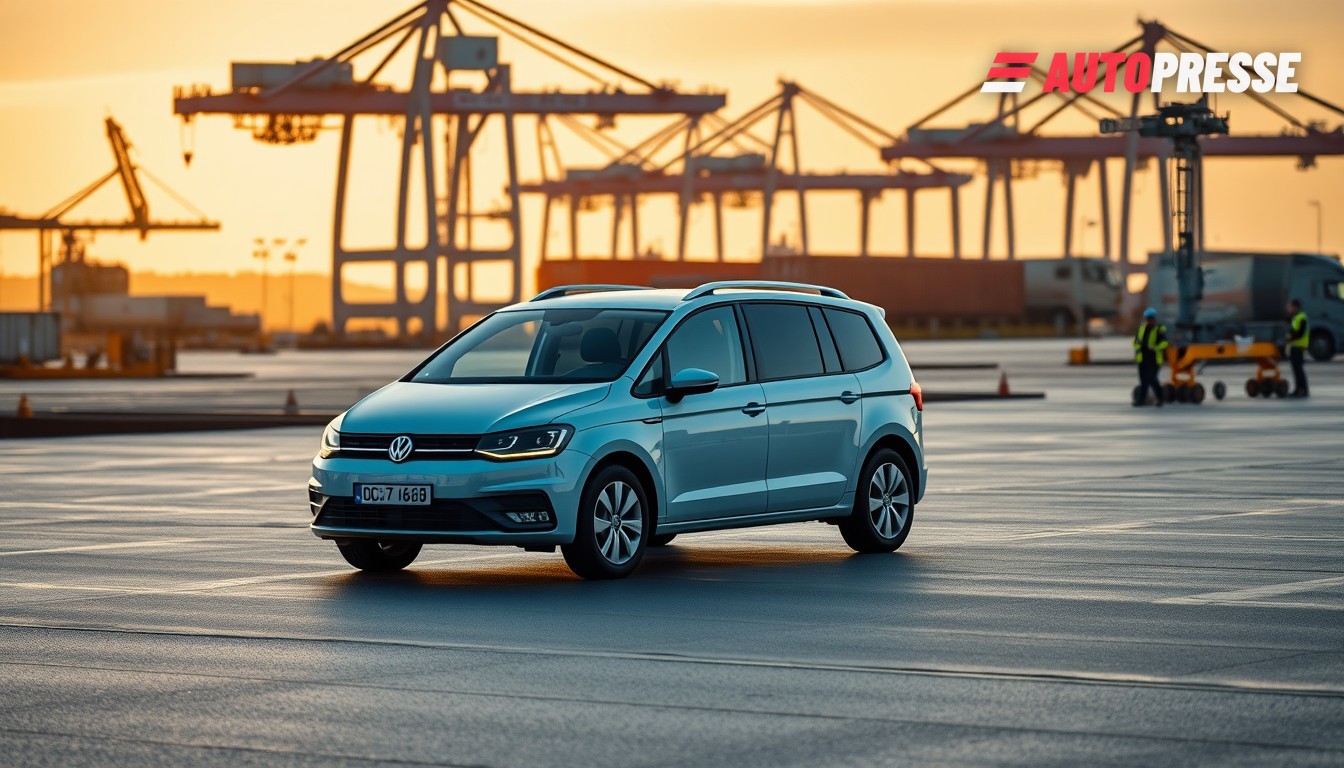
Volkswagen Group Logistics, Deutsche Telekom, Finnish software firm Unikie and the Bremen Institute for Production and Logistics (BIBA) have completed the two‑year, federally funded AutoLog innovation project at the Port of Emden. The pilot demonstrated automated, driverless movement of cars across an operational auto‑terminal test area using a public 5G connection and edge computing, a step that Volkswagen says could make vehicle handling at ports "more flexible, safer and more sustainable".
What the pilot actually tested
The project set up a dedicated test zone on the Emden terminal that simulated incoming and outgoing vehicle flows, parking lanes and a heavily used roundabout. Sensors created a digital map of the area while Unikie’s marshalling/control software coordinated vehicle movements; communication relied on Deutsche Telekom’s public 5G network augmented with edge services. The partners say the test examined how automated vehicles interact with manually driven cars and pedestrians under real logistics conditions.
Volkswagen highlighted the strategic scale behind the trials: the Group ships about 2.4 million vehicles a year from more than 40 ports, and Emden handled almost 1.2 million VW‑Group cars in 2025 — making the site a logical test bed for terminal automation. The AutoLog project was funded by the Federal Ministry of Transport (BMV).
How the technology links to rail and inland logistics
Alongside the port tests, partners reported related trials at other sites in the Group: at Audi’s Ingolstadt plant they tested automated positioning for loading cars onto railway wagons — extending AutoLog findings beyond seaports to rail loading, an important link for Germany’s and Austria’s intermodal car chains. The partners say the combined results give a broader view of how automated vehicle handling could be integrated into existing terminal and rail workflows.