The auto industry in Germany and Austria is quietly becoming an energy industry. Carmakers and industrial partners are commissioning large stationary battery systems, signing utility partnerships and moving into energy trading — changes that shift factory economics and the role of vehicle batteries in national grids. For drivers, dealers and suppliers this means production sites will increasingly manage power flows as actively as parts inventories.
Germany: automakers go beyond cars
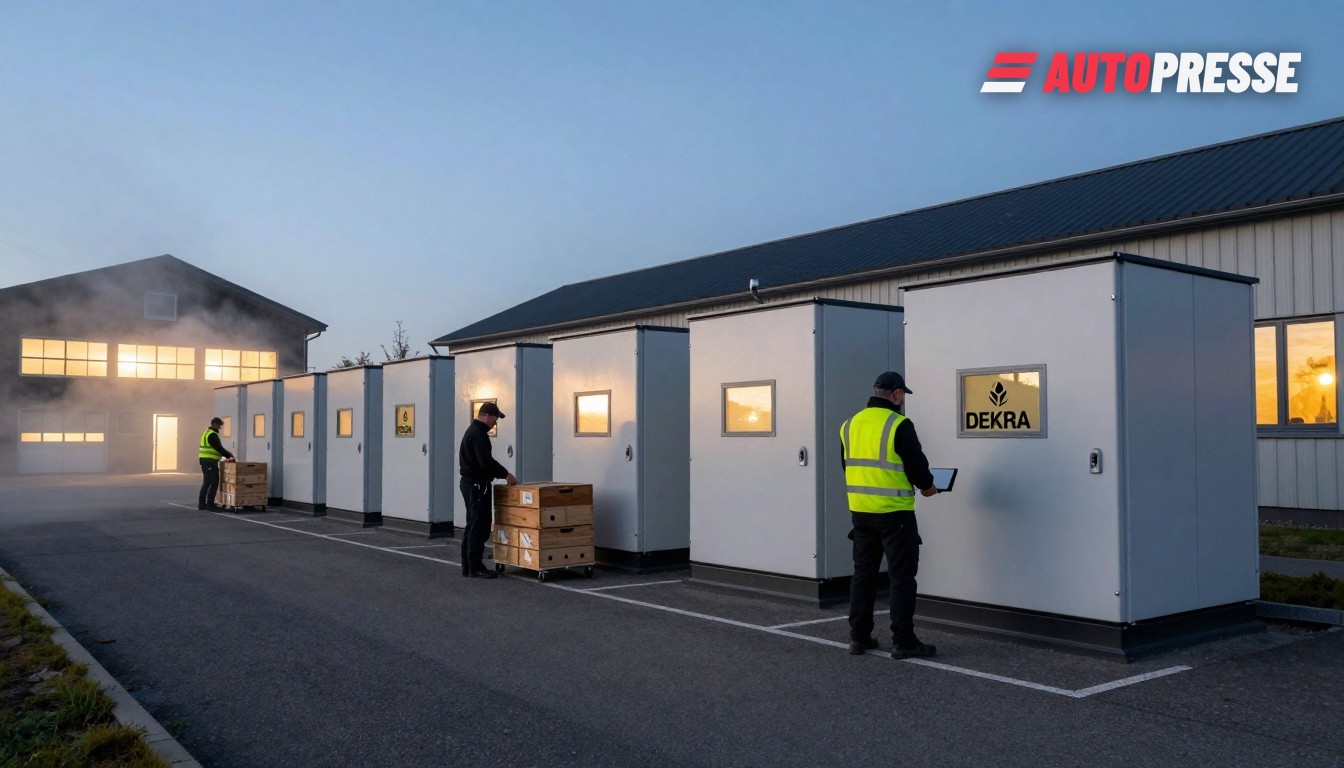
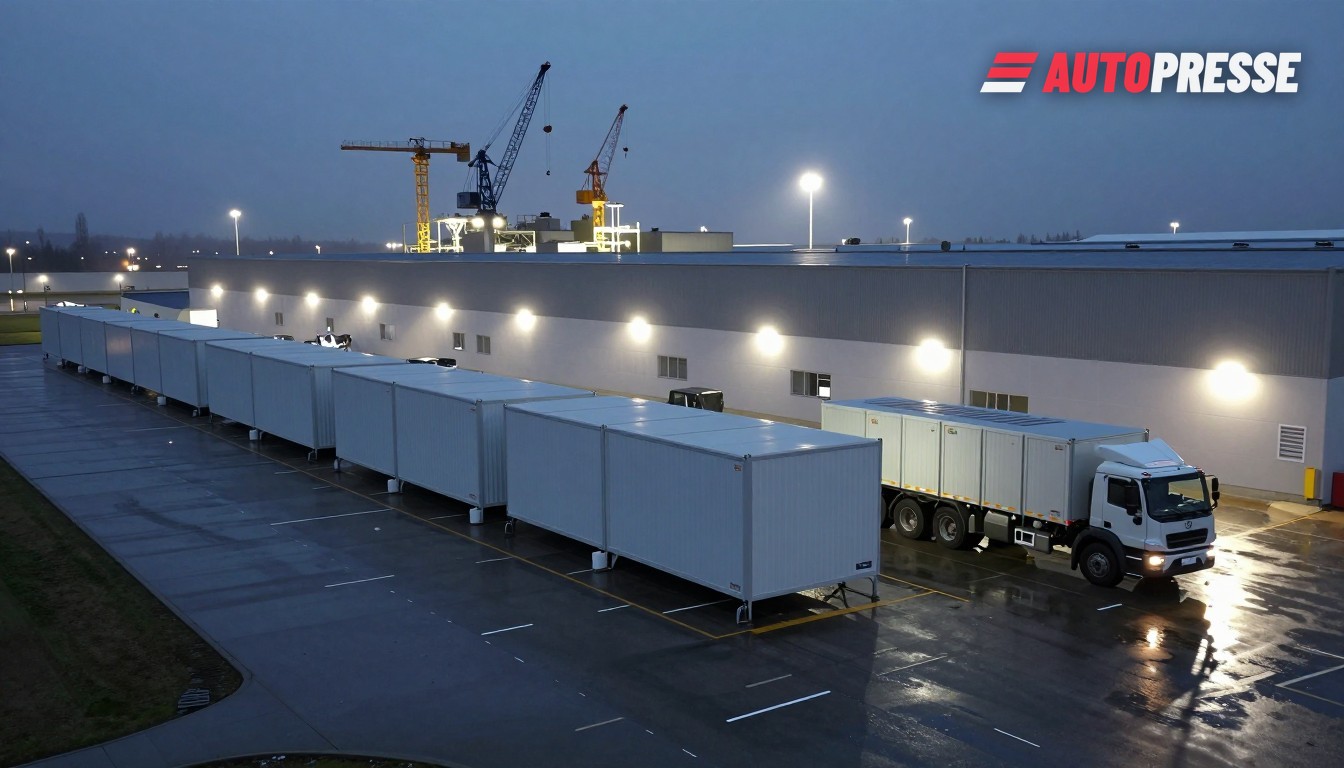
Volkswagen Group’s energy arm Elli has connected a large PowerCenter at Salzgitter — a system with roughly 20 MW output and 40 MWh storage that is already being used to participate in energy markets and balancing services. The project is explicitly intended to link the Group’s cell manufacturing with stationary storage and trading activities under PowerCo and Elli. "For us, energy storage and energy trading represent a new strategic business area with strong growth potential," Volkswagen CEO Oliver Blume said when the asset went on line.
Mercedes‑Benz is also experimenting with non‑lithium stationary storage: the company ordered an 11 MWh Organic SolidFlow battery for its Rastatt plant to smooth variable PV output and reduce reliance on conventional backup supplies. The test project was announced in March 2024 and was planned for deployment in 2025 as part of a push to pair rooftop solar with longer‑duration storage.
Austria: utility‑scale storage and industrial partnerships
Austrian energy and industrial players are moving fast. NGEN has started construction of an 85 MW / 170 MWh battery at Wagenham in Upper Austria — by the company’s account one of the country’s largest BESS assets intended for system‑critical flexibility and ancillary markets.
Complementing that, Blackvolt closed financing and broke ground on an 18 MW / 36 MWh utility‑scale battery project in Oberndorf bei Salzburg in spring 2026, positioned to support regional renewables and grid stability.
Austria’s leading utility VERBUND has also extended a long‑term strategic partnership with steelmaker voestalpine to scope battery storage, hydrogen and renewables projects at industrial sites — signalling concerted industrial action to secure power and flexibility for energy‑intensive production.
What this means for the market
These projects turn factories and supplier sites into grid assets. For automakers that means two clear outcomes: reduced exposure to volatile spot power prices and a potential new business line from flexibility and trading. Volkswagen has already begun testing market trading with its Salzgitter PowerCenter, and industrial partners in Austria are sizing multi‑MW facilities to sell balancing capacity.
For suppliers and local grid operators the change raises new planning questions — grid connection capacity, permitting and safety for large stationary systems, and new contracting models with utilities. For dealers and end customers it will eventually affect the economics of electric vehicles: aggregated storage (including V2G and residential assets) becomes part of a broader managed‑battery network that can lower charging costs and, in some programmes, generate revenue for owners.
Implementation remains project‑by‑project: pilots like Rastatt’s Organic SolidFlow battery and utility scale builds in Upper Austria show technical diversity (flow vs lithium systems) and underline that both countries see industrial storage as a tool to stabilise grids while decarbonising vehicle production.
Electric vehicles available on WorldTrader24 →
Sources: Volkswagen Group, NGEN, Blackvolt, VERBUND, Reuters, pv‑magazine