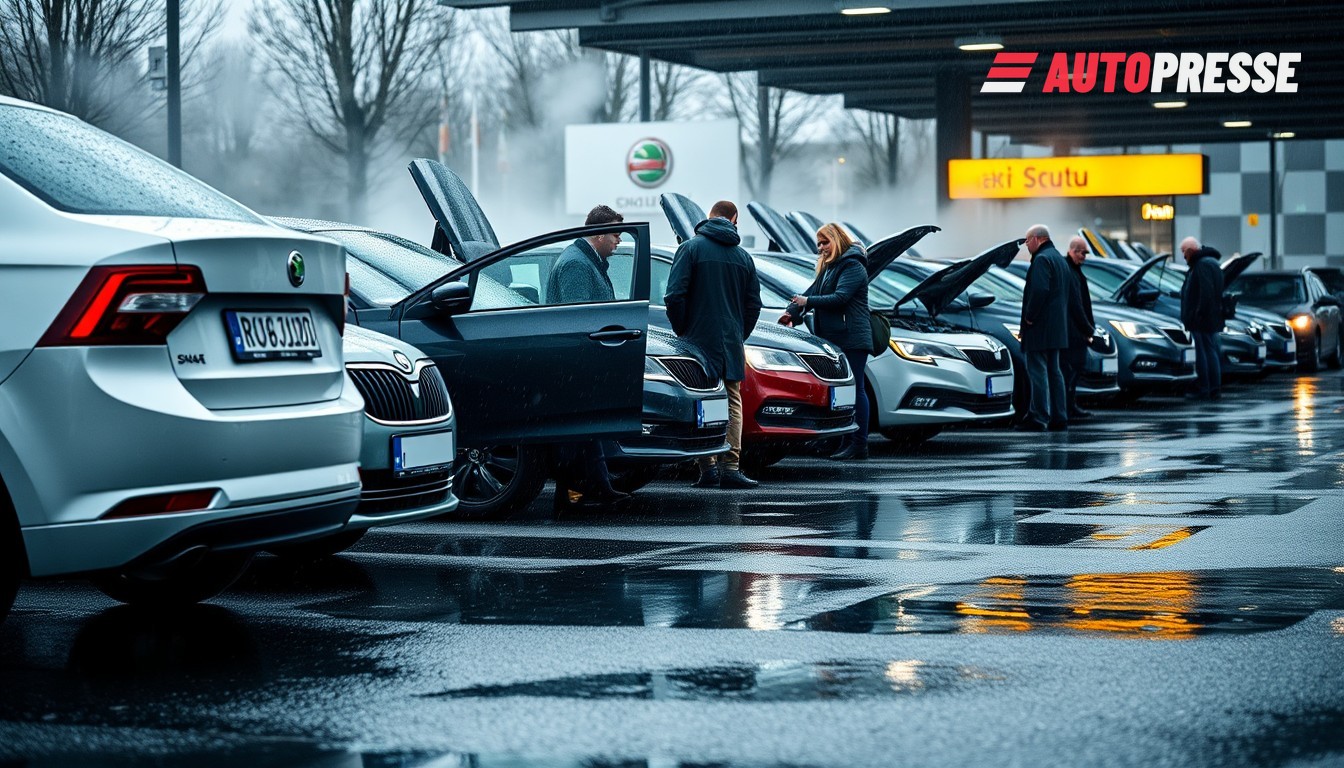
Germany and Austria’s used‑car market is feeling a fresh squeeze: AUTO1 Group told investors this week that supply on its platform declined from an average 47,000 cars in June to 44,000 in September, and that rising fuel costs have widened the gap between what sellers want and buyers will pay — delaying many transactions. The numbers come at a moment when average prices on the secondary market are still elevated compared with pre‑pandemic levels, making every cancelled sale visible to dealers and buyers across both countries.
What AUTO1 reported — facts and figures
On its Q3 2026 earnings call (published Nov 3–4, 2026), AUTO1 said it sold 243,000 vehicles group‑wide in Q3 and posted gross profit of €298 million; group GPU (gross profit per unit at scale) rose to €1,234 — its highest on record. Retail GPU reached €2,777 and merchant GPU exceeded €1,000 for the first time. Management warned that macro headwinds — notably fuel‑price rises since February — changed buyer behaviour and temporarily constrained supply on the platform.
Chief Executive Christian Bertermann told analysts that “the fuel price increases... started resulting in bigger gaps between buyer and seller price expectations,” and that the company expects those gaps to narrow again “over the next eight to 12 weeks” if fuel prices remain near current levels. AUTO1 also said the supply shortfall is delaying transactions rather than cancelling demand: with fuller supply, merchant and retail unit growth in Q3 would have been substantially higher.
Context: prices remain high but patterns vary
Germany’s used‑car prices have stayed elevated compared with earlier years. Statista’s market pages show average used‑car price series through September 2026, illustrating that values after the pandemic peak have not returned to pre‑2020 levels and that price patterns differ by powertrain. That backdrop helps explain why a temporary supply wobble or an increase in running costs — like fuel — can quickly change expectations on both sides of a deal.