Germany and Austria have each translated the EU’s "right to repair" directive into national law — but on different timetables and with a split of obligations that matters to drivers, dealers and workshops. Germany’s implementation was promulgated in the Bundesgesetzblatt on 22 July 2026 and the law entered into force on 23 July 2026 (new rules apply to purchase contracts concluded from 31 July 2026). Austria enacted the Warenreparaturrichtlinie‑Umsetzungsgesetz (WaRUG), which came into effect on 1 October 2026. These dates change what consumers can demand after a fault and what manufacturers and sellers must offer.
What the laws actually require
The EU directive (Richtlinie (EU) 2024/1799) and both national laws create two closely related rules. First, for products covered by EU repairability rules (listed in Annex II of the directive — household appliances, electronic displays, smartphones, etc.) manufacturers must, on the consumer’s request, carry out repairs outside the statutory seller warranty within a reasonable time and for a reasonable price. Second, when a consumer chooses repair (Nacherfüllung durch Nachbesserung) instead of replacement, the legal warranty period is extended by 12 months for that contract. Those core obligations are part of the directive and were incorporated into German law in July 2026 and into Austrian law with the WaRUG.
How cars are treated — and the loophole the sector notices
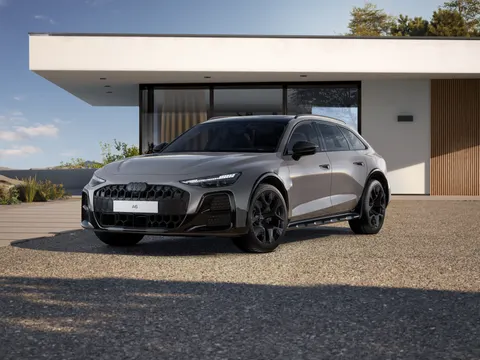
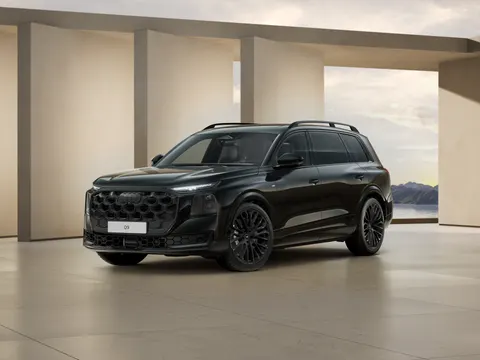
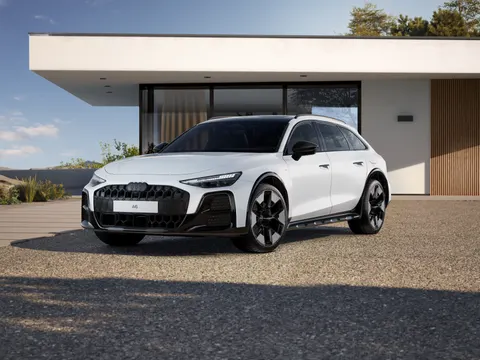
Crucially for the automotive sector, the manufacturer’s repair obligation outside the warranty only applies to goods that are subject to repairability requirements in EU law (the items listed in Annex II). Motor vehicles are not covered by those Annex II acts; they therefore do not carry a new EU‑level duty obliging manufacturers to perform repairs after the statutory warranty expires. At the same time, the directive’s change to purchase‑law — notably the one‑time 12‑month extension of the warranty if a consumer opts for repair — applies indiscriminately to all sale contracts. The German Bundestag report therefore notes that the extension cannot be excluded for motor vehicles or similarly complex products and asked the federal government to press the EU for tailored exceptions in future rule‑making. That dual outcome means cars avoid a new after‑warranty repair duty but still see the warranty extension trigger.