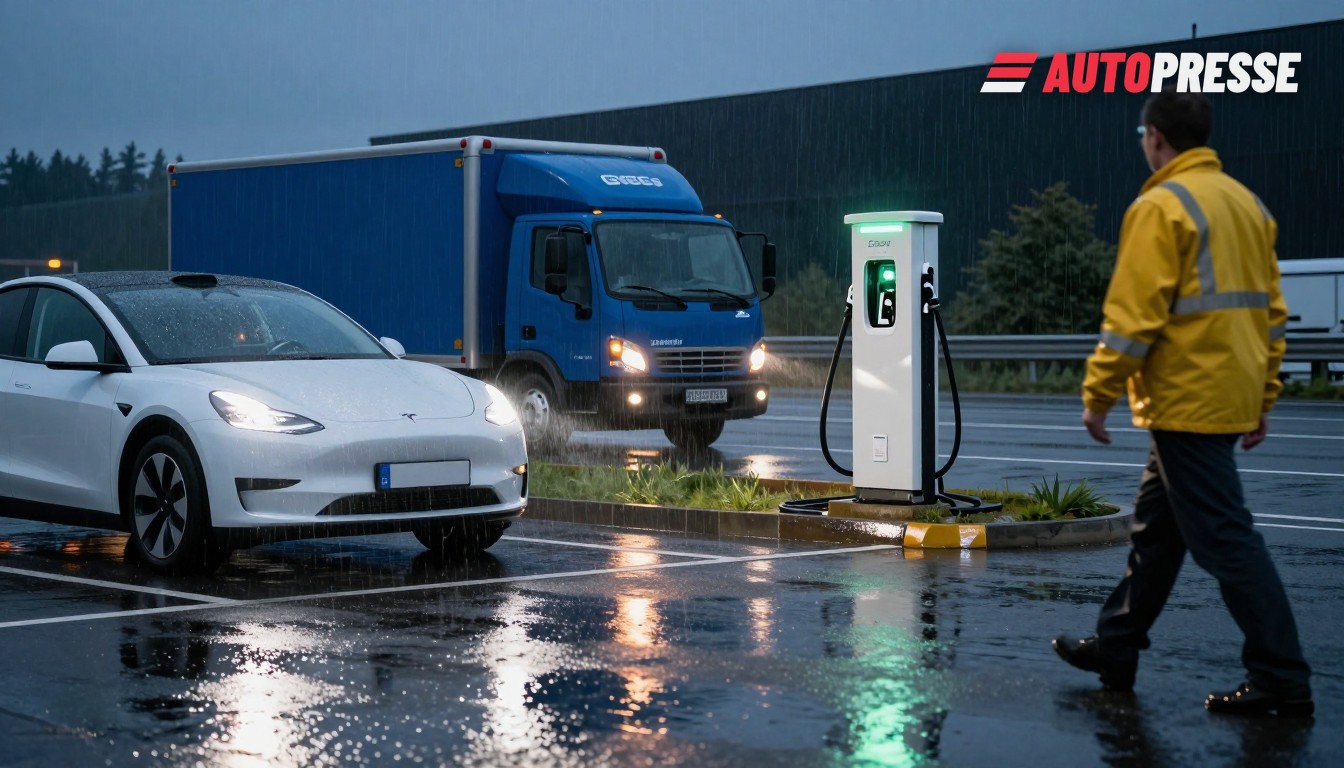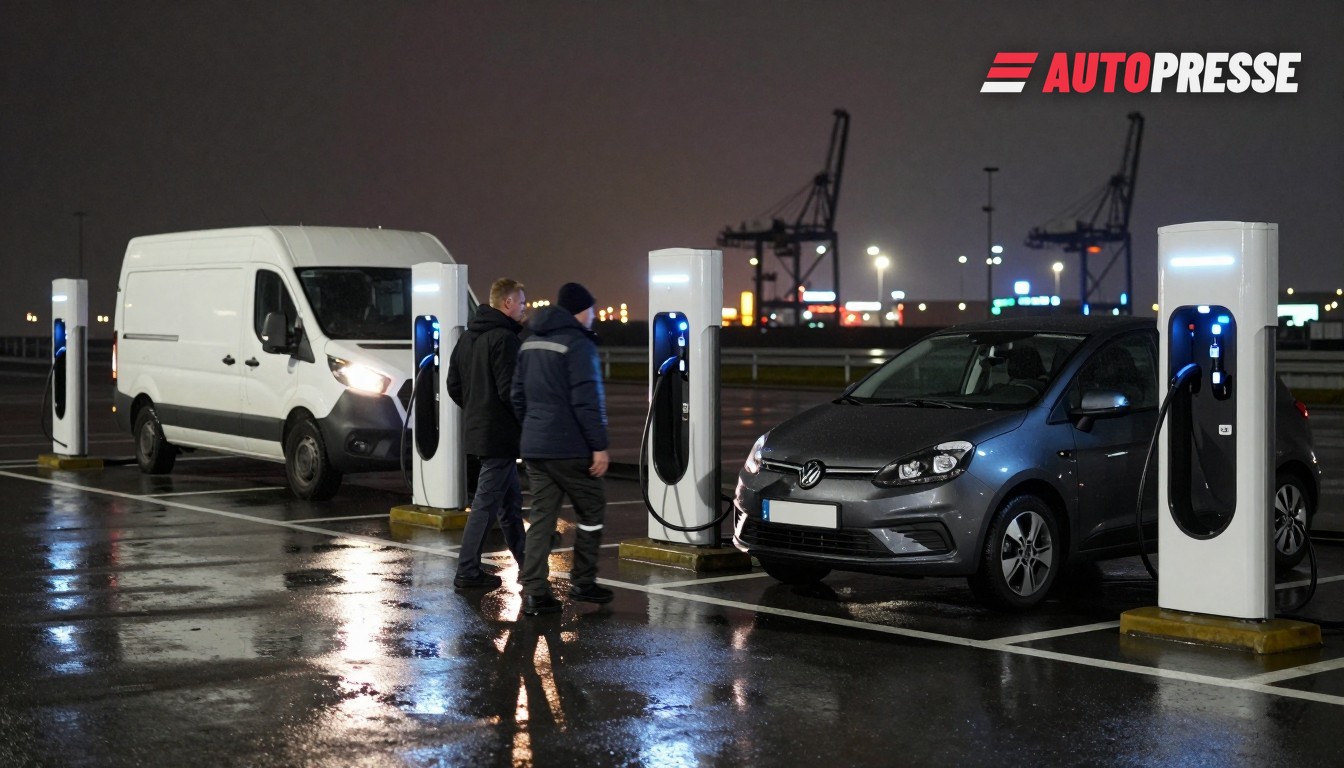
Germany and Austria now run different fiscal tracks for electric cars — a divergence that matters to drivers, fleet managers, dealers and plant workers across the border. In Berlin the federal government has extended the tax holiday for pure battery‑electric passenger cars: cars first registered up to 31 December 2030 can remain exempt from Kfz (motor‑vehicle) tax, with the maximum period of exemption capped at 31 December 2035. The government says the Bundestag approved the law on 4 December and the Bundesrat consented on 19 December as part of measures to support the domestic auto industry.
What Germany changed — the details
The government’s published text specifies that the previous deadline (first registration by 31 December 2025) is extended: new battery‑EVs registered between 2026 and 2030 benefit from the tax exemption, and the statutory upper limit for a ten‑year exemption remains subject to a final cut‑off of 31 December 2035. After that date, the law sets out a transition: pure EVs would no longer be fully exempt but receive a reduced tax calculated at 50% of the normal rate, based on vehicle weight rather than combustion parameters. The federal announcement frames the move as an industrial and climate policy signal.
Austria: company cars and the end of a zero‑benefit
By contrast Vienna has moved to tax private use of employer‑provided electric cars from 2027. Austria’s economic chamber (WKO) and parliamentary materials set out the new “Sachbezug” values: from 1 January 2027 a monthly notional benefit of 0.375% of acquisition costs (incl. VAT and NoVA) applies for zero‑emission company cars, capped at €180 per month; from 1 January 2028 the rate rises to 0.625% with a cap of €300 per month. The rule applies to vehicles that remain available for private use and is tied to payroll accounting.
Austria had already removed some specific tax exemptions for electric vehicles earlier: since April 2025 pure battery cars are no longer exempt from the motor‑related insurance tax (motorbezogene Versicherungssteuer). Parliamentary debates and opposition motions show political friction around how rapidly to roll back incentives.
What this means for the market
In plain terms, Germany has kept a strong fiscal purchase incentive for private buyers and thereby reinforced demand signals for retailers and manufacturers: new BEV buyers in Germany can expect extended Kfz‑tax relief for vehicles first registered through 2030, with an absolute tax‑free ceiling to the end of 2035. Austria’s decisions instead reduce the tax advantage of employer‑provided EVs and remove earlier insurance‑tax exceptions — a tightening that affects corporate fleet economics and employee take‑home pay when a firm car is used privately. These are documented policy choices, not forecasts.
For dealers and remarketers operating cross‑border (especially in regions such as Bavaria‑Upper Austria and Salzburg‑Salzkammergut), the divergence changes sales calculus: private German buyers keep a clearer tax incentive, while Austrian fleet purchasers now face higher effective costs for employer cars. For manufacturing sites and suppliers, Germany’s commitment preserves a demand horizon for BEVs that supports investments in production and charging; Austria’s recalibration shifts the policy burden onto other levers (NoVA, fleet rules or direct grants). The last two statements are informed inferences drawn from the documented tax changes.
Drivers and employees should note concrete dates and numbers: Germany’s legal timetable and Bundestag/Bundesrat votes were completed in December (law text published by the federal government); Austria’s Sachbezug values take effect 1 January 2027 (0.375%, capped €180) and rise in 2028 (0.625%, capped €300). Employers must adapt payroll and fleet policies accordingly.
Electric vehicle listings on WorldTrader24 →
Sources: Bundesregierung, WKO, Parlament Österreich