Germany and Austria are taking visibly different tacks to keep cars and parts moving across Central Europe: Berlin is making it easier for foreign truck drivers to qualify and logistics firms are recruiting abroad, while Vienna’s market opening is letting new rail carriers scale automotive and intermodal services from October 2026. Those choices will affect delivery times, transport costs and how dealers and fleets plan imports and service logistics.
Germany: lower barriers for drivers, recruitment abroad
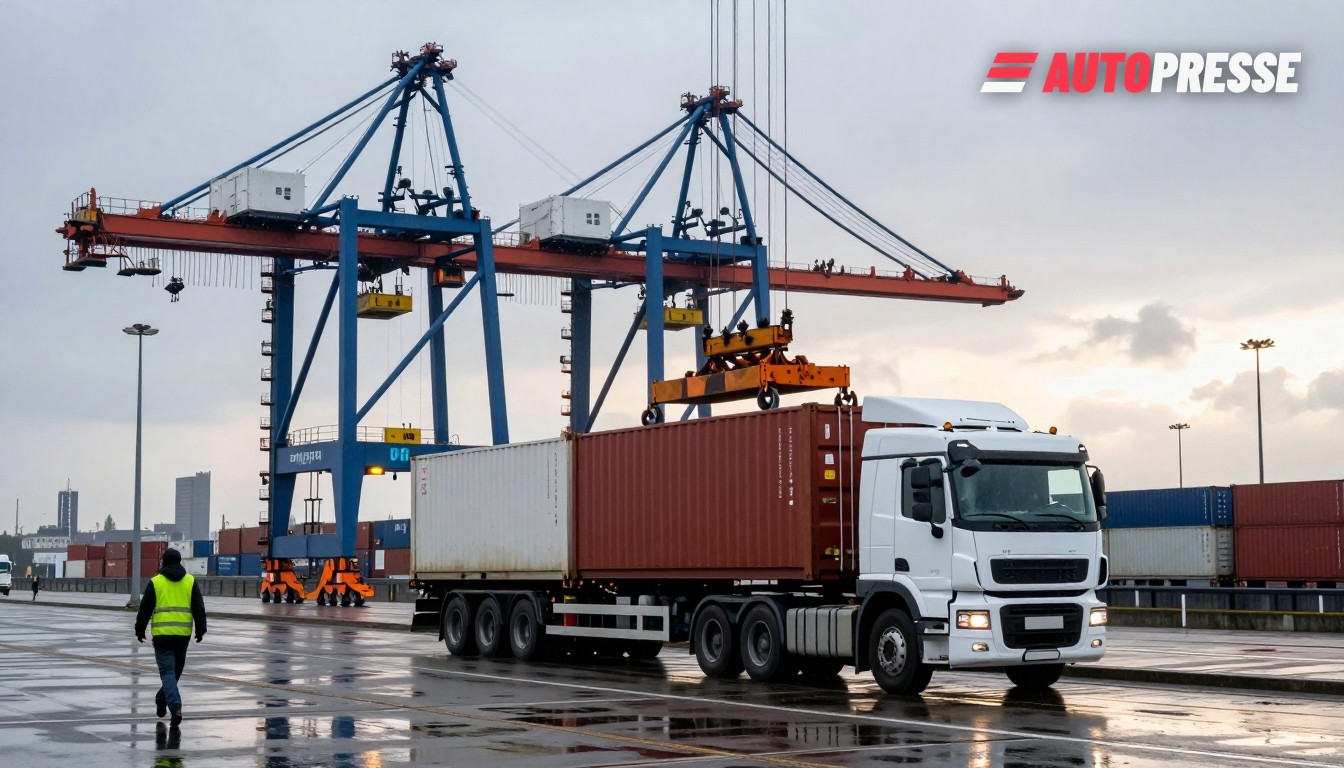
The German federal cabinet approved a draft amending regulation in May 2026 that aims to speed up the entry of foreign drivers by expanding the languages available for professional‑driver exams, widening recognition of some third‑country licences and shortening the practical test from 210 to 120 minutes — measures the transport ministry says will reduce access barriers and “get drivers into jobs more quickly.”
At the same time private logisticians are building overseas recruitment channels: Hergarten, a German freight group, announced in September 2026 a structured recruitment programme in Turkey that includes candidate selection, German language and integration preparation and administrative support before drivers depart for Germany. The company positions this as a service also available to other German carriers.
Those moves respond to a Europe‑wide shortage: industry panels in 2026 cited roughly 500,000 unfilled truck‑driver posts across Europe, and repeatedly warned that driver scarcity — compounded by poor parking, long wait times and ageing workforces — is the immediate constraint on reliable freight distribution.
Austria: new rail players and intermodal capacity
Rather than focus first on road capacity, Austria has seen recent rail liberalisation and market entries aimed at automotive and intermodal flows. A Schienen Control market update shows several carriers won permissions or safety certificates in August–September 2026; notably Vienna‑based Adesso Rail received ERA authorisation to operate in Austria, Germany and Italy and was authorised to run on ÖBB infrastructure starting 1 October 2026. The regulator highlights this as a boost to cross‑border automotive rail options.
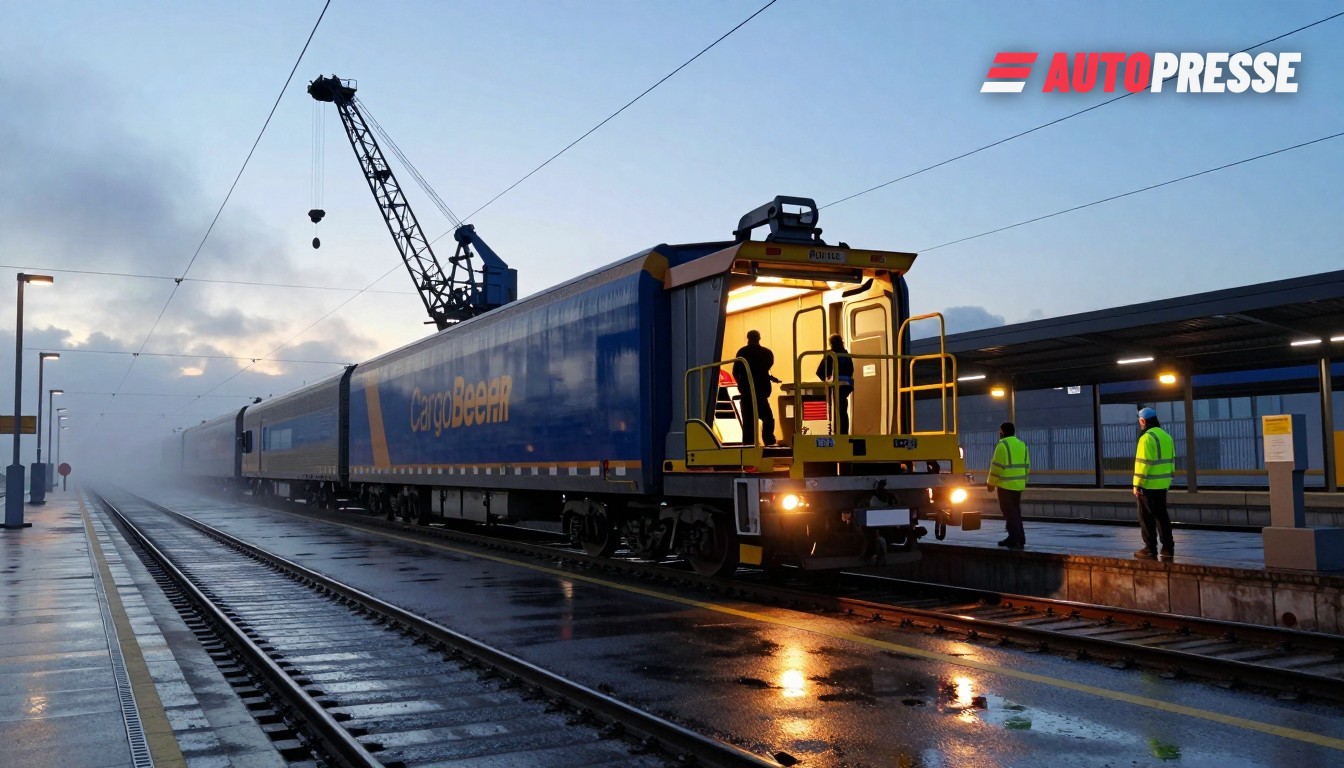
Parallel to carrier approvals, intermodal operators expanded services: CargoBeamer began a four‑weekly roundtrip between Kornwestheim (near Stuttgart) and Sacconago (Milan) in April 2026, providing a demonstrable rail alternative for semi‑trailers on the Stuttgart–Milan corridor. Such services shorten door‑to‑door times for some flows previously dependent on road haulage while improving CO₂ performance per tonne‑km.
What this means for the market
For dealers and fleet managers: expect a patchwork of reliability and cost effects. In Germany, faster recognition and overseas recruitment can ease shortages on short‑haul and dealer delivery legs — but industry experts caution that regulation alone won’t fix parking, pay or retention problems that make the job unattractive.
For importers and OEM logistics planners: Austria’s new rail entrants and growing intermodal corridors create real alternatives for Italy–Germany/Austria corridors and for shifting longer haul semi‑trailer traffic off congested roads. The Kornwestheim–Milan CargoBeamer service that began in April 2026 is an immediate example of capacity that can be scaled without adding drivers.
For ports and terminals: the split strategy raises planning complexity. Ports and inland terminals that serve German customers need flexibility — fast road legs where German recruitment relieves capacity, and strengthened rail interfaces where Austrian and new private rail services can absorb volume. The sector’s near‑term bottlenecks are behavioral (recruitment, working conditions) as well as infrastructural (parking, terminal access), so logistics players will increasingly mix hired drivers with modal shifts to rail to stabilise flows.
B2B vehicle listings for dealers on WorldTrader24 →
Sources: Air Cargo Week, trans.info, Logistik Heute, Schienen Control, CargoBeamer (Wikipedia)