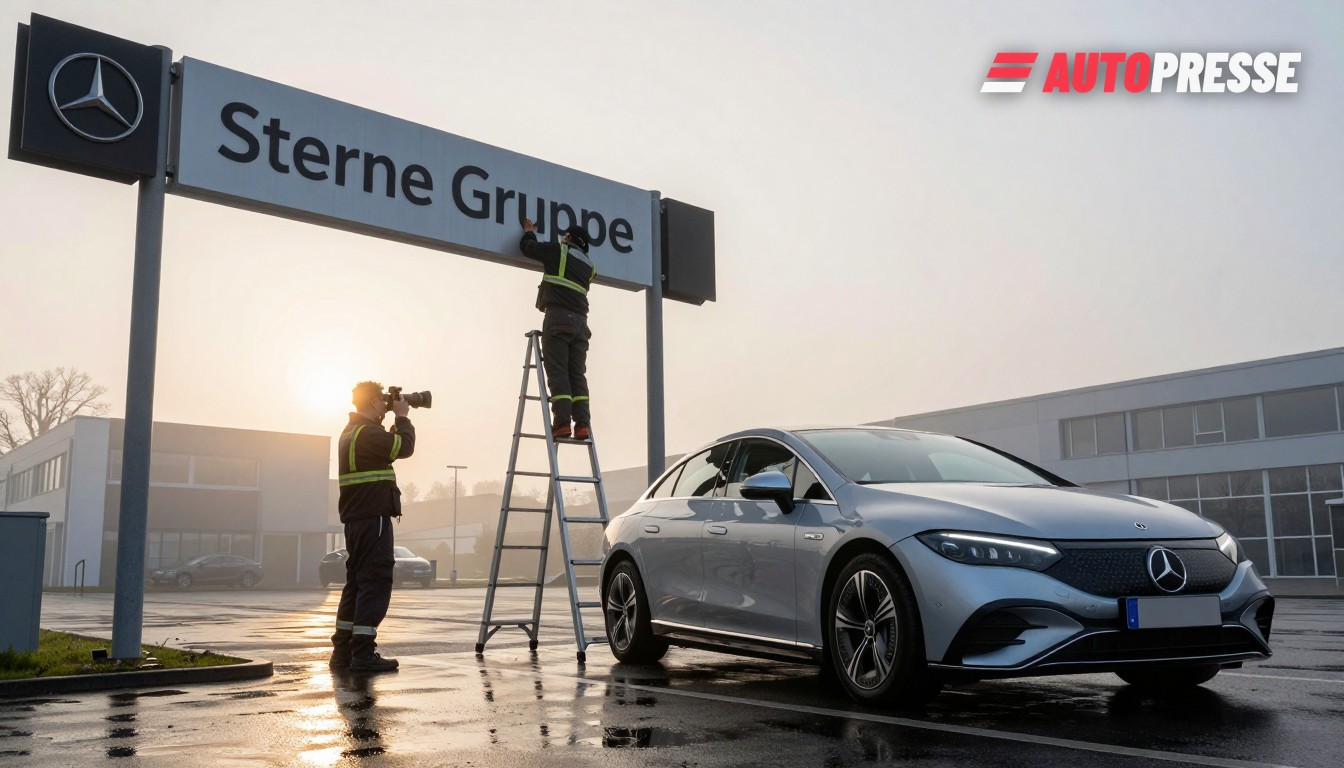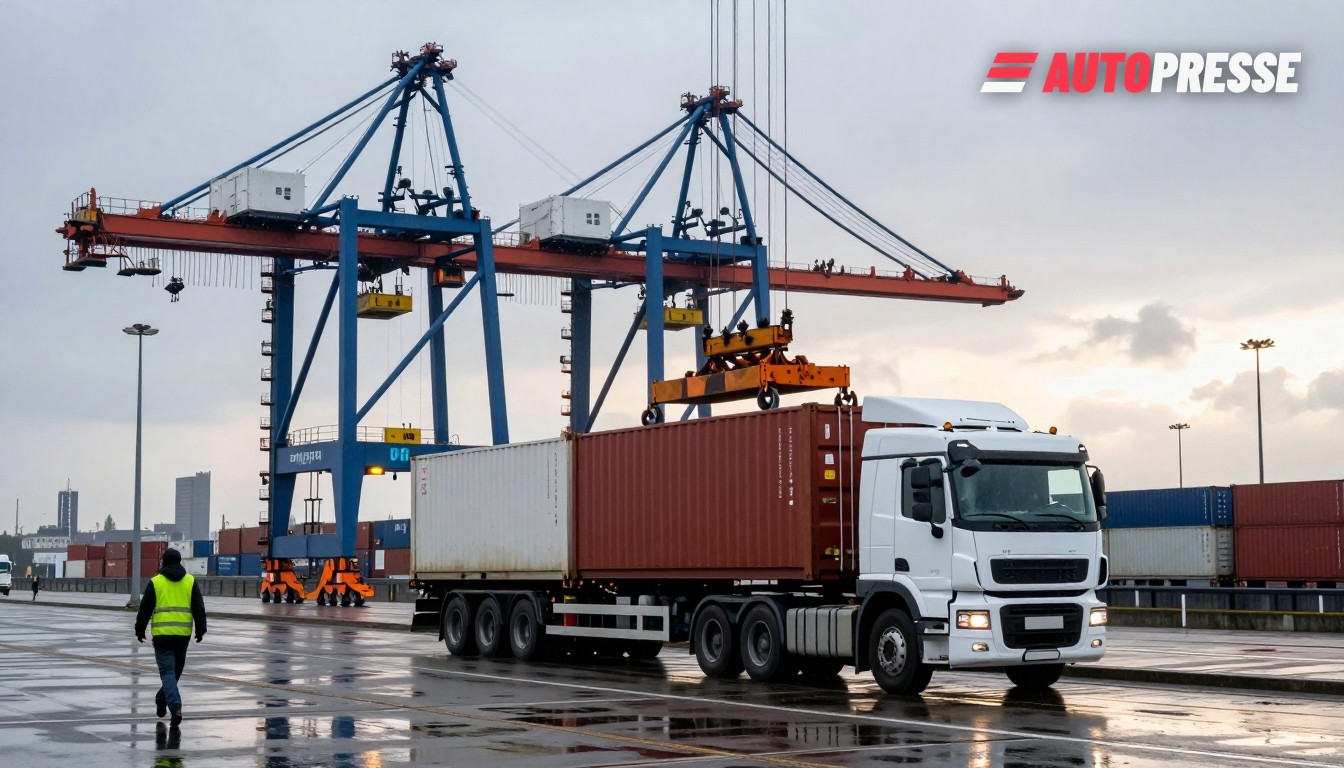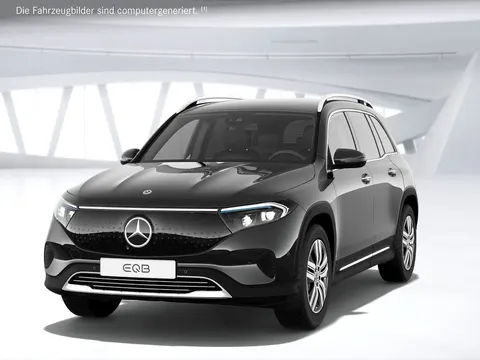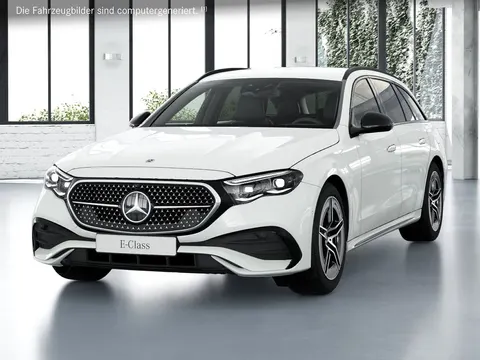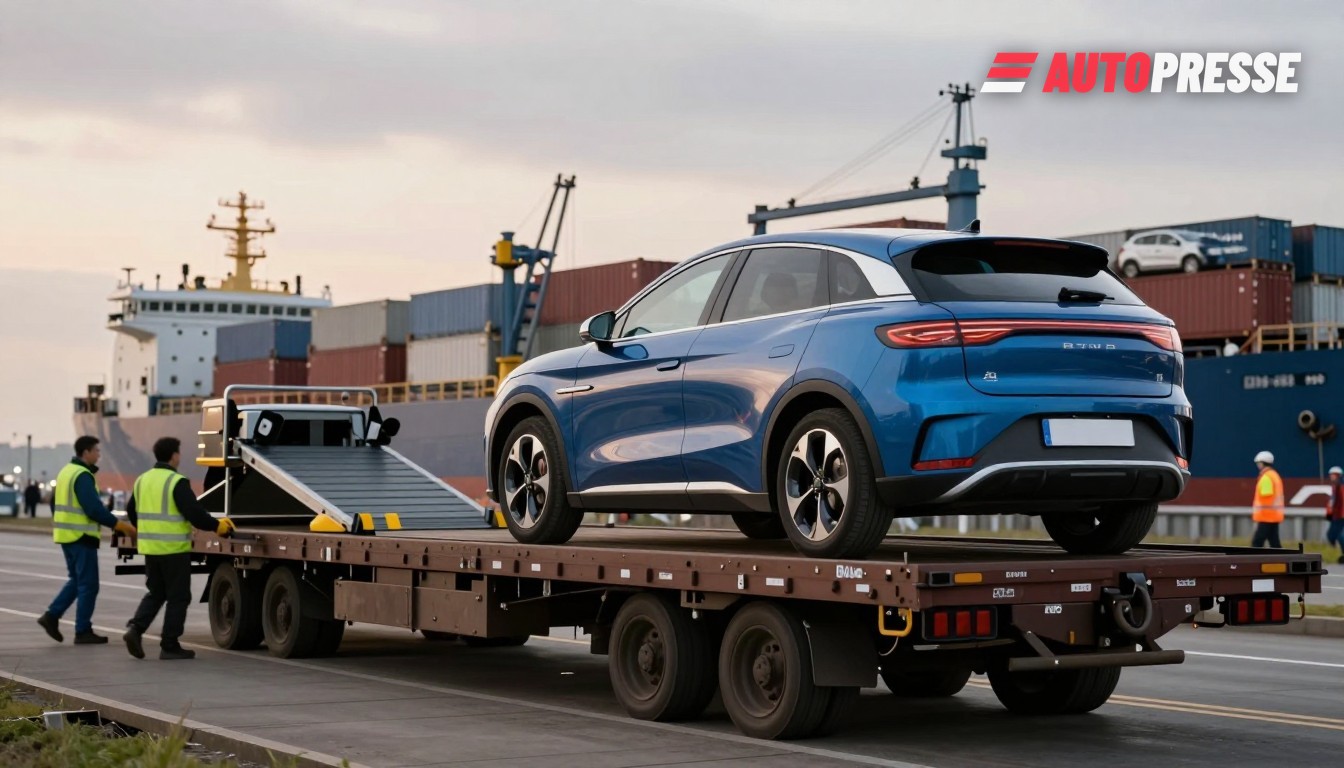
Germany’s vehicle‑logistics map is shifting north: MOSOLF officially opened its new Auto Terminal at Wilhelmshaven on 25 October 2026, investing around €2 million to start RoRo handling and yard operations from the JadeWeserPort freight village. This matters for dealers, transport contractors and port workers in Germany and Austria because more cars arriving from China will change hinterland flows, reduce some truck runs and increase demand for block‑train capacity.
Terminal opened as Chinese EV imports grow
MOSOLF says the Wilhelmshaven site will handle vehicle and rolling cargo and serve as a springboard for further sea‑port logistics services; the company started operations with partners such as the Grimaldi Group and placed the new location inside the JadeWeserPort freight village. The MOSOLF press release states the company has invested roughly €2 million at the site and called the port "land- and waterside ideal" for vehicle logistics.
The timing is no coincidence: analysts and trade trackers note a sharp rise in Chinese‑origin clean‑tech goods and EV shipments to the EU, and images and trade data highlight BYD vessels calling at Wilhelmshaven in recent months. Bruegel’s Clean Tech Tracker data and commentary show China supplied about 67% of the value of the EU’s selected clean‑tech imports for July 2026, and references to BYD car‑carrier calls at Wilhelmshaven underline the port’s growing role in EV imports.
Ship‑to‑train: rail capacity is being mobilised
To move those volumes inland, rail operators are already stepping in. ÖBB Rail Cargo Group (RCG) has been running block‑train solutions for Mosolf and other vehicle handlers: RCG says a single block train loaded on double‑deck Laaers wagons can carry around 230 finished BYD cars from Wilhelmshaven to Mosolf’s inland sites, and it uses its TransFLEX service to time trains to ship arrivals and fluctuating volumes. RCG and Mosolf present rail as a way to handle concentrated import peaks while easing pressure on truck fleets.
The result is a multimodal chain: RoRo discharge at Wilhelmshaven, short‑term yard processing at the MOSOLF terminal, then long‑distance block trains to southern and eastern Germany where Mosolf’s facilities take over last‑mile delivery and preparation. RCG highlights that block trains carrying double‑deck wagons replace dozens of truck journeys per train run, reducing road congestion and cutting emissions on the hinterland leg.
What this means for the market
For German and Austrian dealers and logistics firms the immediate effect is capacity rebalancing: ports such as Wilhelmshaven increasingly complement Bremerhaven as entry points for Asian EVs, shifting work from truck fleets to rail planners and inland yards. Mosolf’s new terminal creates local handling jobs and requires more coordinated slotting of trains and RoRo berths — a potential opportunity for rail freight providers and for inland technical‑service hubs that prepare cars for delivery.
For truck operators the impact is mixed: some short‑haul transports from port to yard remain necessary, but block‑train volumes can remove many long‑distance car‑transporter runs. For policy and infrastructure planners, the case strengthens the argument for more rail‑ready port access and flexible block‑train offerings that can absorb volatile ship schedules and fast‑rising EV import volumes.
Electric vehicles listings on WorldTrader24 →
Sources: MOSOLF, Bruegel, Rail Cargo Group